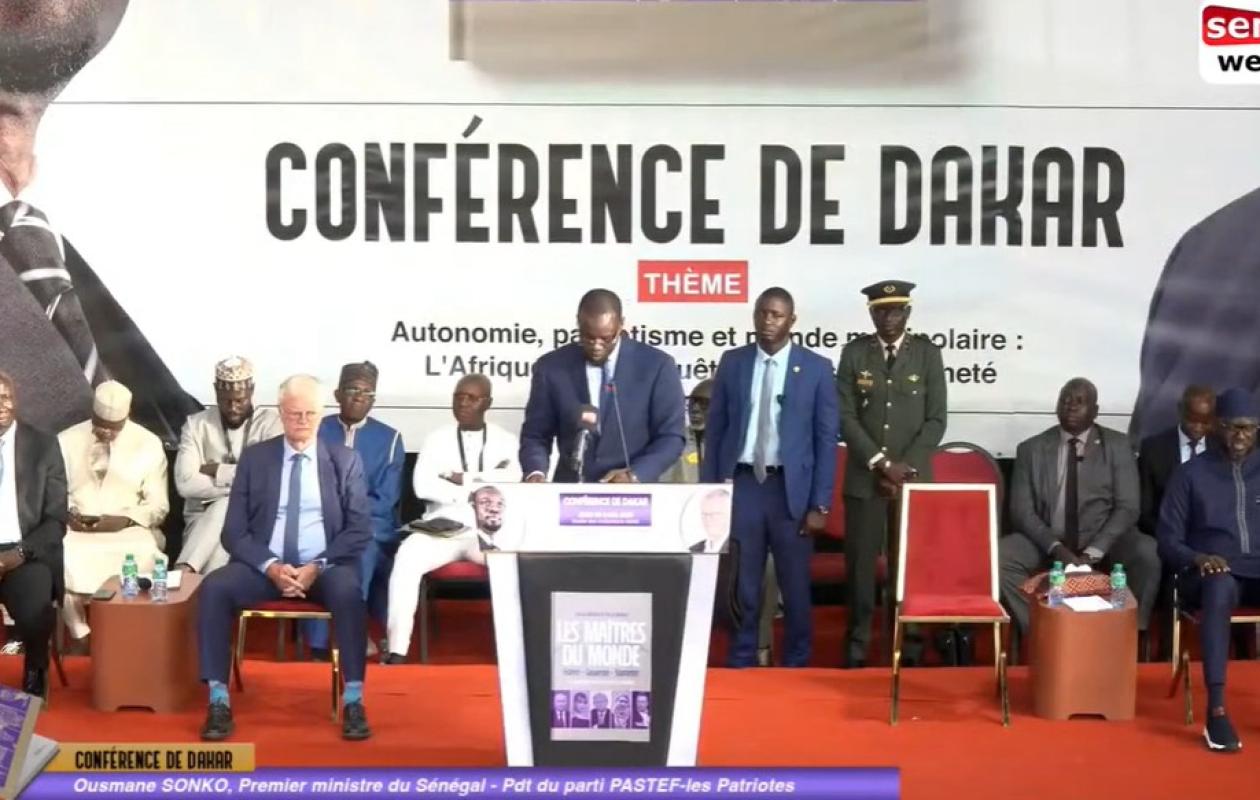
Gatsa Gatsa : Ousmane Sonko répond à Pascal Boniface et convoque la Révolution française
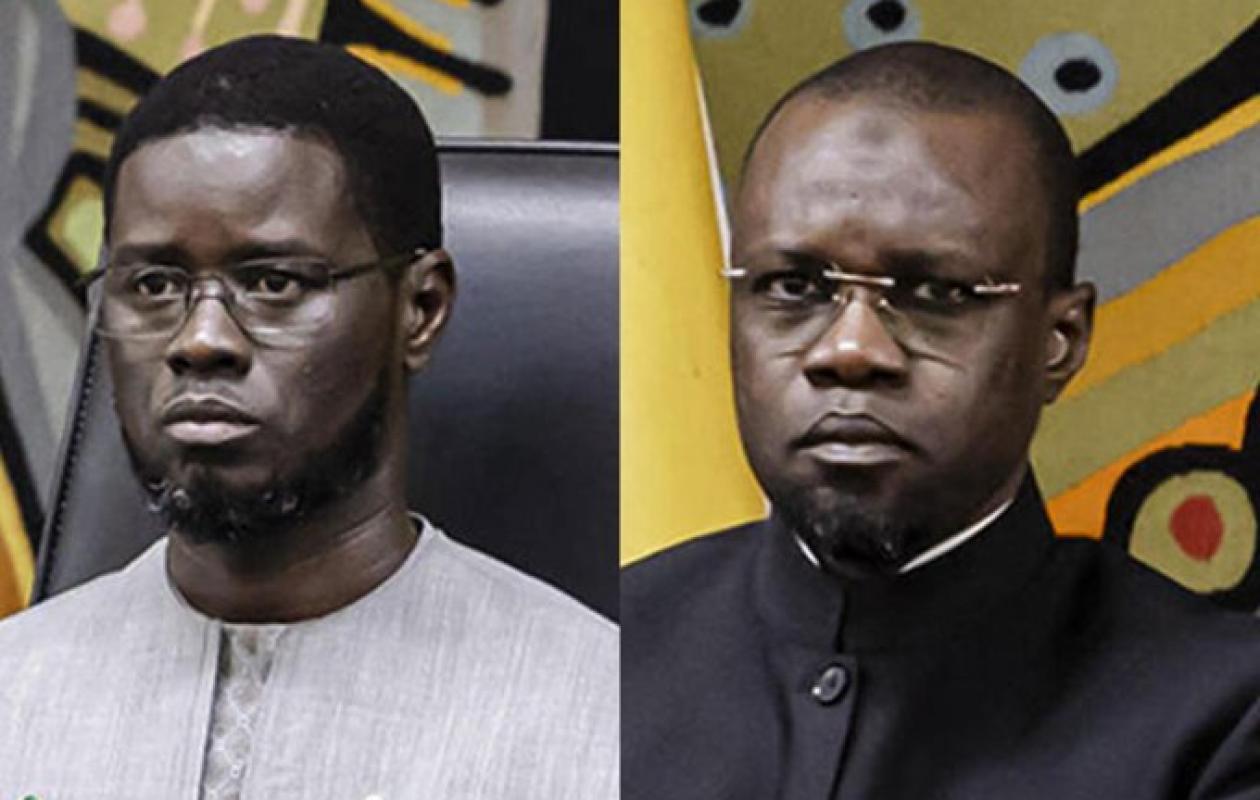
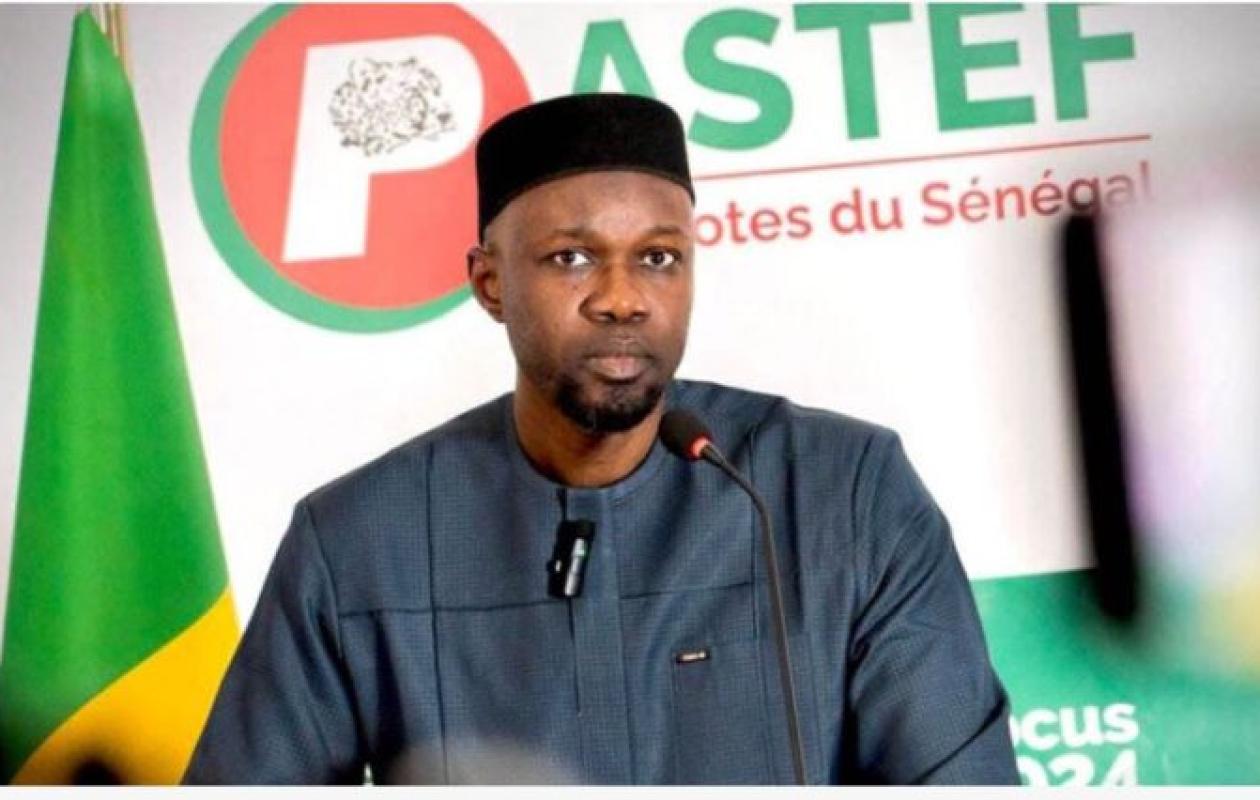
Facing off against French geopolitician Pascal Boniface, Prime Minister Ousmane Sonko adopted the persona of an organic intellectual to scrutinize the passages concerning him in his host's book. While maintaining a courteous tone, he denounced what he called the persistent "Western lens" in the analysis of African struggles. Indeed, while Sonko acknowledged Boniface's inclusion of him among the 20 most influential people in the world, he immediately distanced himself from the language used. For the Prime Minister, this ranking, though honorable, reduces his actions to mere media or symbolic influence. He was keen to correct this perception: his struggle is not about image, but about a historical trajectory for the genuine emancipation and economic sovereignty of Africa. "Behind certain aspects of the development, in my opinion, the professor subtly presents a reading through a Western lens," he stressed.
Rehabilitating "Gatsa Gatsa": more than a slogan, a grammar of resistance
One of the most intense moments of his argument concerned the interpretation of the slogan "Gatsa Gatsa." Ousmane Sonko criticized the book for attempting to reduce this rallying cry to a mere expression of violence or political threat. Echoing 1789, he pointed out with surgical historical precision that the French Revolution itself was built on slogans of life or death ("Live free or die"). For Sonko, "Gatsa Gatsa," a symbol of popular legitimacy, is the expression of a people who refuse to submit to oppression, not an incitement to gratuitous disobedience. According to him, it belongs to the universal legacy of resistance championed by figures like Thomas Sankara and Patrice Lumumba.
Rejecting labels: the ambivalence in question
The Prime Minister also contested the descriptions of "ambivalent man" and "many-faced leader" used in the book. He argued that these semantic devices aim to undermine the coherence of his party's political project. Similarly, he rejected the label "populist," considering it a literary device used to obscure the central issue of sovereignty. He reaffirmed that his actions, including his criticisms of certain academic works, were not intended to censor but to protect national unity against any attempt at fragmentation. Ousmane Sonko invited Pascal Boniface to reflect more deeply on "intellectual sovereignty." According to him, it is not enough to be legally independent; one must claim the right to produce one's own categories of analysis and one's own historical narratives.









Commentaires (3)
Participer à la Discussion
Règles de la communauté :
💡 Astuce : Utilisez des emojis depuis votre téléphone ou le module emoji ci-dessous. Cliquez sur GIF pour ajouter un GIF animé. Collez un lien X/Twitter, TikTok ou Instagram pour l'afficher automatiquement.