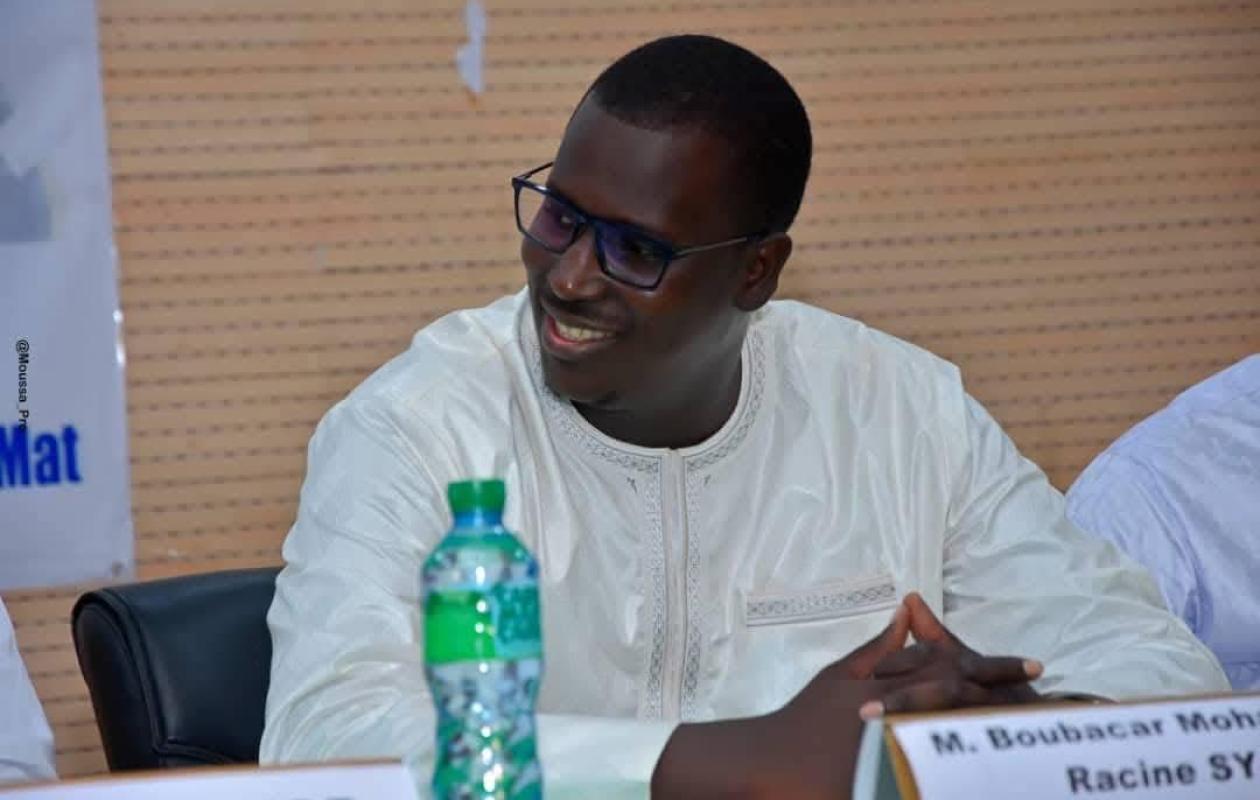
Le diagnostic sans complaisance de Boubacar Racine Sy sur le mal sénégalais
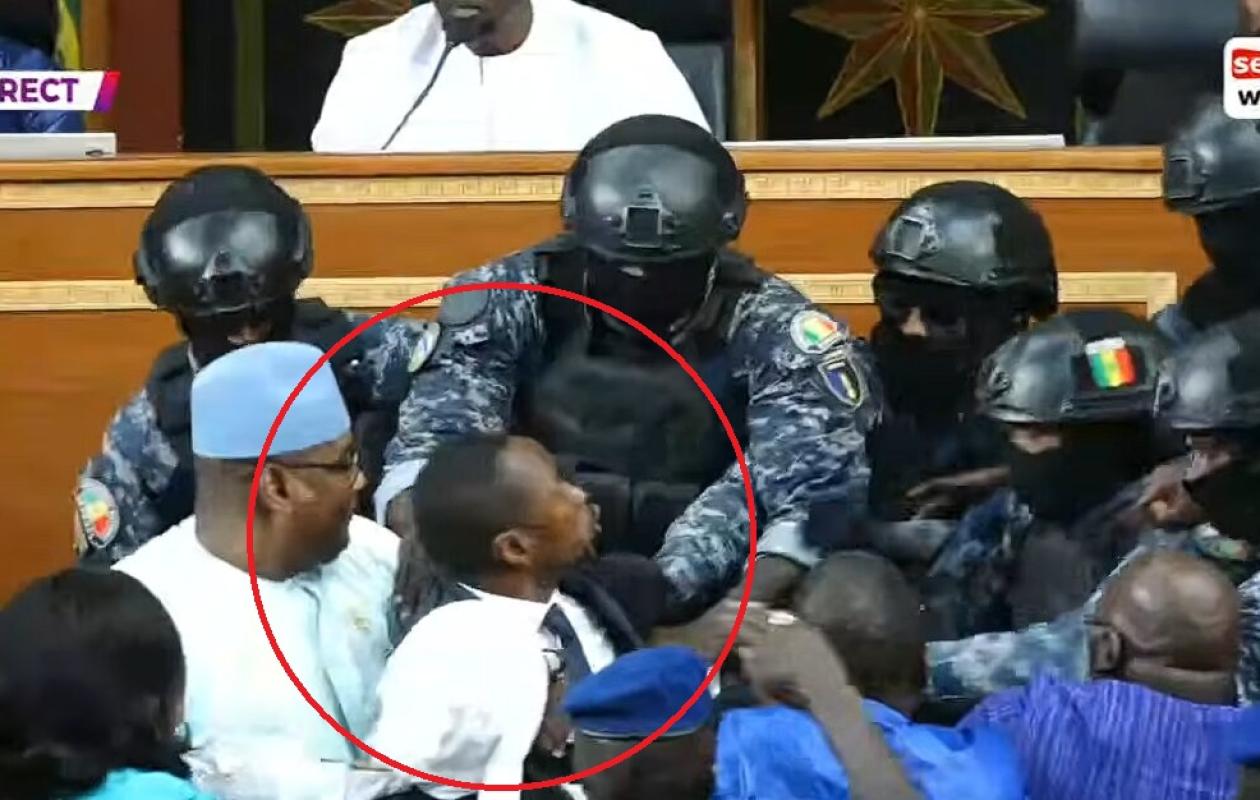
The current fragility of Senegalese democracy stems from a deeper crisis: the crisis in education, according to Boubacar Racine Sy. A guest on the Sunday Jury program on Iradio, he stated, "The link is clear. A country cannot make lasting progress without a strong education system." Education, though recognized as a driver of development, seems to have been relegated to the back burner. "We talk about it a lot, but investment remains insufficient," he lamented. Yet, the history of developed nations shows a constant: success depends on the training of citizens, discipline, and rigor. These are all values that are tending to erode in Senegalese society.
This educational fragility has direct repercussions on the quality of democratic debate. “We no longer debate to understand, but to impose our point of view,” he observes. Exchanges, particularly on social media and television programs, often become confrontational, marked by emotion rather than reasoned argument. Another problem is the confusion between democracy and elections. This is a restrictive view that Boubacar Racine Sy rejects, echoing the analyses of Edwy Plenel. Democracy, he insists, “rests on a broader foundation: fundamental freedoms, an independent judiciary, respect for the law, and a culture of dialogue.”
The lack of exemplary behavior
But beyond institutions, democracy is lived every day. Respect for rules, civic-mindedness, a sense of the common good: these are all behaviors that condition its functioning. "A country's leaders reflect its citizens," he summarizes, emphasizing a shared responsibility. In this context, politics itself is undergoing a drift. "For some, it has become a means of social advancement," he laments. Manipulation, the absence of debate, and the instrumentalization of strategies attributed to Niccolò Machiavelli: these are all practices that distance politics from its primary mission, serving the common good.
The solution, according to him, lies in a collective effort. Schools, families, the media, and political parties must fully play their role in educating citizens. Better-educated and more aware citizens will be less susceptible to simplistic or populist rhetoric. Finally, he calls for a return to the culture of consensus that characterized certain political reforms under Abdou Diouf. This dialogue between political actors had helped stabilize the rules of the democratic process. Today, its weakening poses a risk to institutional stability.
The diagnosis is stark, but offers hope. For Boubacar Racine Sy, nothing is irreversible. "Change doesn't depend on one person alone, but on the commitment of everyone," he concludes. At the heart of this commitment, one priority stands out: rehabilitating education to rebuild democracy.











Commentaires (12)
Participer à la Discussion
Règles de la communauté :
💡 Astuce : Utilisez des emojis depuis votre téléphone ou le module emoji ci-dessous. Cliquez sur GIF pour ajouter un GIF animé. Collez un lien X/Twitter, TikTok ou Instagram pour l'afficher automatiquement.