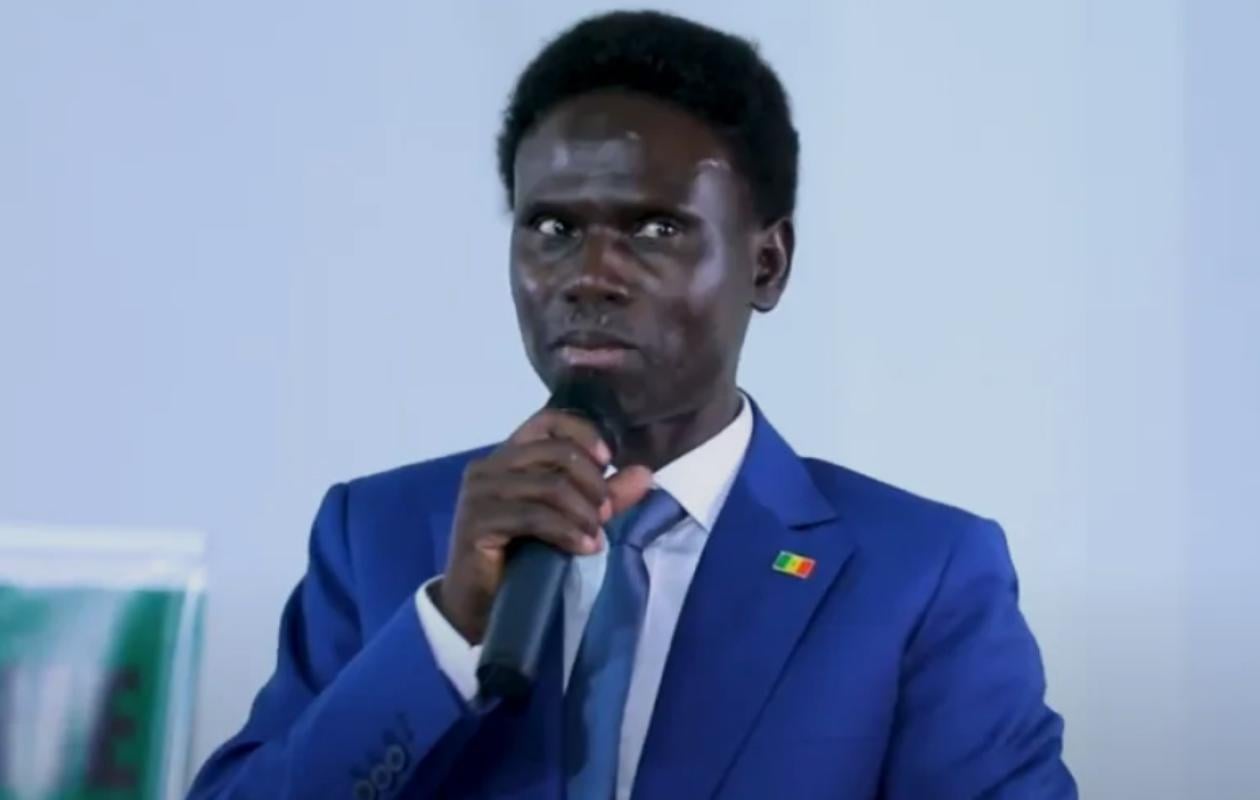
« Manque d'ambition et oublis » : Le Pr Meïssa Diakhaté émet des réserves sur le projet de réforme constitutionnelle
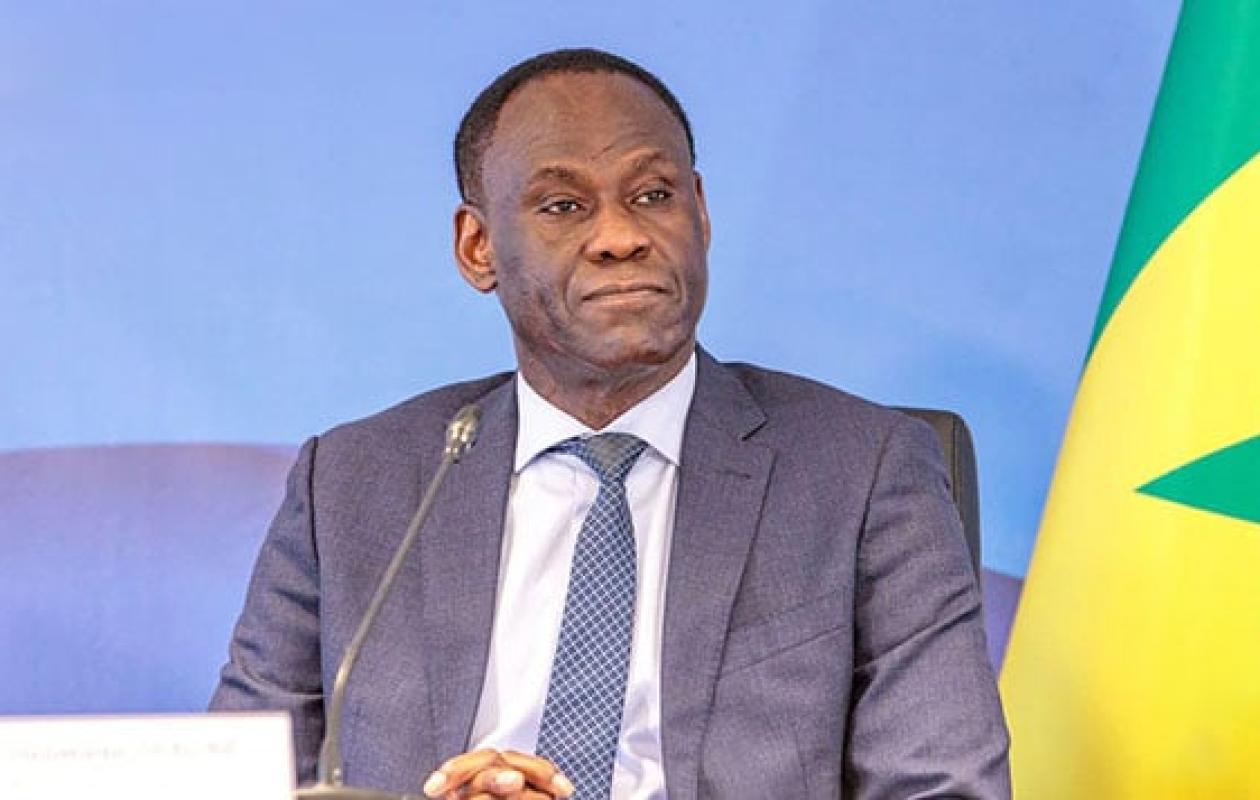
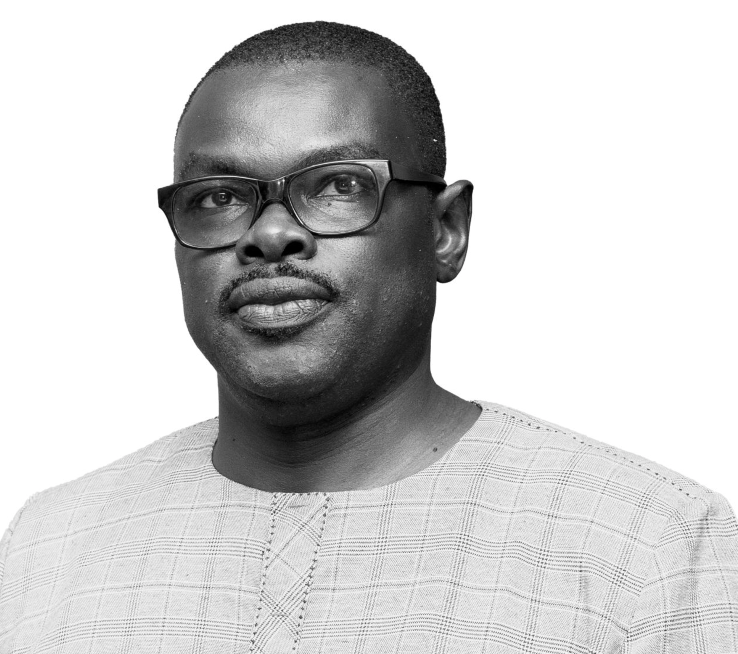
The draft constitutional revision, unveiled by the Presidency of the Republic on Monday, April 27, is already drawing critical analysis from experts. Invited to the "Grand Jury" program on Sunday, May 3, 2026, Professor Meïssa Diakhaté, a professor of public law, scrutinized this highly anticipated text. Regarding the process, he noted that the publication of draft bills before their adoption by the Council of Ministers breaks with usual practice. While this approach could, in theory, encourage citizen participation, it has remained incomplete, according to him. The legal expert particularly regrets the absence of a genuine interactive platform that would have allowed for the collection of contributions from Senegalese citizens to improve the texts before their submission to the legislative process.
In essence, the academic raises numerous anomalies. Professor Diakhaté first points to persistent drafting weaknesses, citing terminological confusion surrounding the expression "head of territorial executive." According to him, this ambiguous formulation could mistakenly refer to decentralized administration, such as governors or prefects, rather than to local elected officials. This "dissonance," in his view, reveals a lack of rigor in the drafting process. Even more concerning, he highlights the omission of a provision that was supposed to refer to an organic law to govern the procedures for appointing members of the constitutional court. This "oversight" deprives the system of a clear legal framework on an extremely sensitive issue.
Furthermore, Professor Diakhaté deplores the continued existence of a High Court of Justice, which he now describes as "anachronistic." He denounces its overly political composition and, above all, the absence of a two-tiered system of jurisdiction. The lack of any possibility of appeal, he argues, is contrary to international human rights standards. The legal expert also regrets that the reform failed to better define the concept of "high treason" attributable to the President of the Republic. The absence of a clear classification of offenses and penalties poses a major problem with regard to the principle of legality of punishment, reminding us that one cannot convict without first precisely defining the facts.
Finally, regarding the future Constitutional Court that is to replace the current Constitutional Council, Professor Diakhaté expresses reservations. Although its powers are being expanded to include certain administrative acts related to the electoral process, he believes they remain, overall, too limited. He warns of the risk that judges will continue to declare themselves incompetent in the face of major political situations. In conclusion, the law professor believes that this reform lacks ambition overall. While reform can be implemented in stages, this should not, in his view, preclude aiming for a complete modernization of political courts to align them with the highest global democratic standards.










Commentaires (8)
Participer à la Discussion
Règles de la communauté
💡 Astuce : Utilisez des emojis depuis votre téléphone ou le module emoji ci-dessous. Cliquez sur GIF pour ajouter un GIF animé. Collez un lien X/Twitter, TikTok ou Instagram pour l'afficher automatiquement.
Se connecter
Commentez avec votre profil, votre photo, et soyez averti des réponses.