
Pr. Maurice Soudieck Dionne : « Pourquoi le Sénégal reste-t-il une exception démocratique »
The unprecedented postponement of the 2024 presidential election, announced just hours before the official start of the campaign, marked a turning point in Senegal's political history. Yet, despite this major crisis, the country managed to avoid institutional collapse.
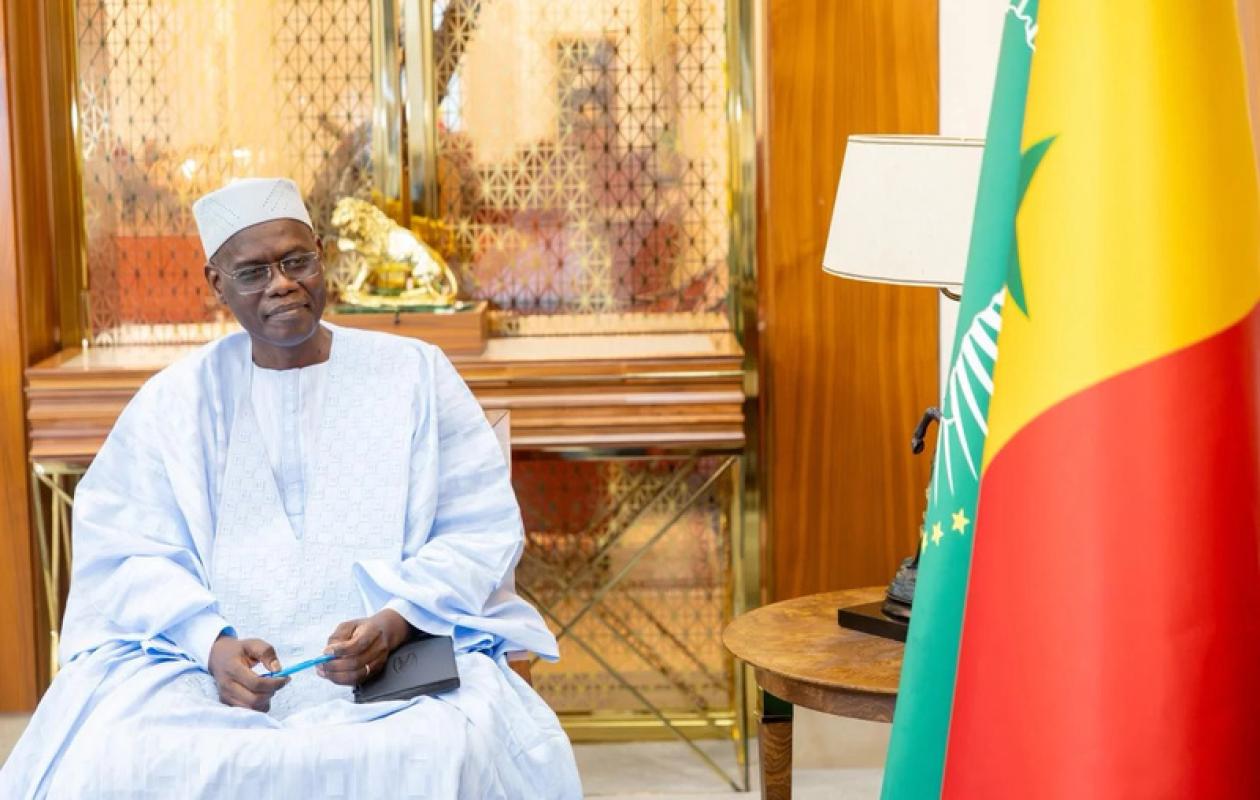
For Professor Maurice S. Dione, speaking on the "Sunday Jury" on iRadio, this sequence revealed the resilience of Senegalese institutions, particularly the Constitutional Council, which played a decisive role in the end of the crisis.
“Despite the challenges, a peaceful transition was ensured,” he emphasizes. Senegal thus continues to stand out on the continent, even if this democratic exception should not be idealized. “A model cannot be copied, it must be adapted,” the academic reminds us, stressing the need to contextualize any democratic experience.
However, he warns of the dangers of democratic backsliding, observable elsewhere in Africa: the elimination of credible candidates, manipulation of the rules of the game, and the weakening of the rule of law. All these practices undermine democracy and, in the long run, foster institutional breakdown.
Spectacle politics: democracy trapped by celebrity culture
The rise of social media has profoundly transformed political practice. For Maurice S. Dione, "we are witnessing a worrying trend: the starification of political life and the domination of spectacle over meaning."
In this digital space, all opinions seem to carry equal weight, whether based on solid expertise or pure emotion. "A Nobel laureate in economics and an average citizen have the same symbolic weight in the realm of opinion," observes the political scientist. This artificial leveling fosters misinformation and weakens the rationality of public debate. The most visible actors are not always the most competent, but often those who best master the art of self-presentation.
Faced with this phenomenon, the response cannot be censorship, but rather the strengthening of citizens' critical thinking skills. Media literacy, pluralism of information, and the accountability of public actors appear to be essential levers for preserving democratic quality.
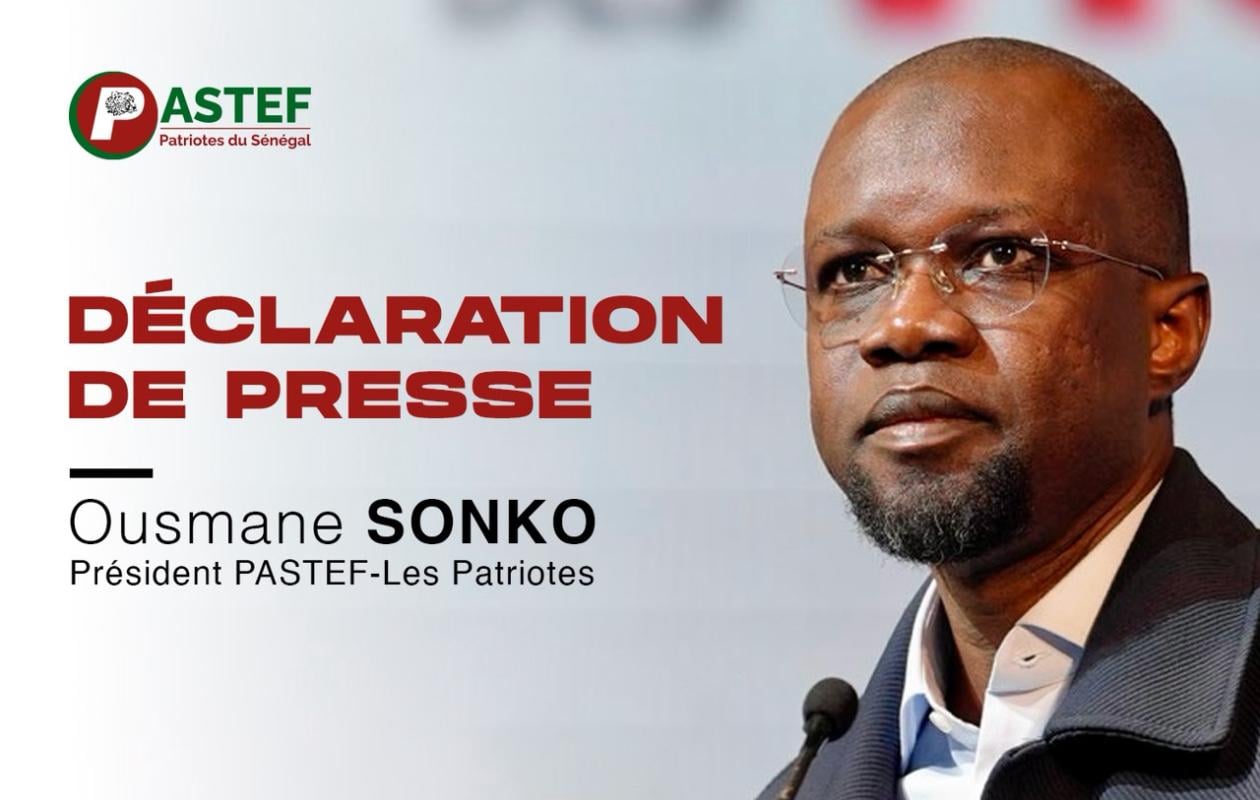
Ousmane Sonko, a Senegalese political phenomenon
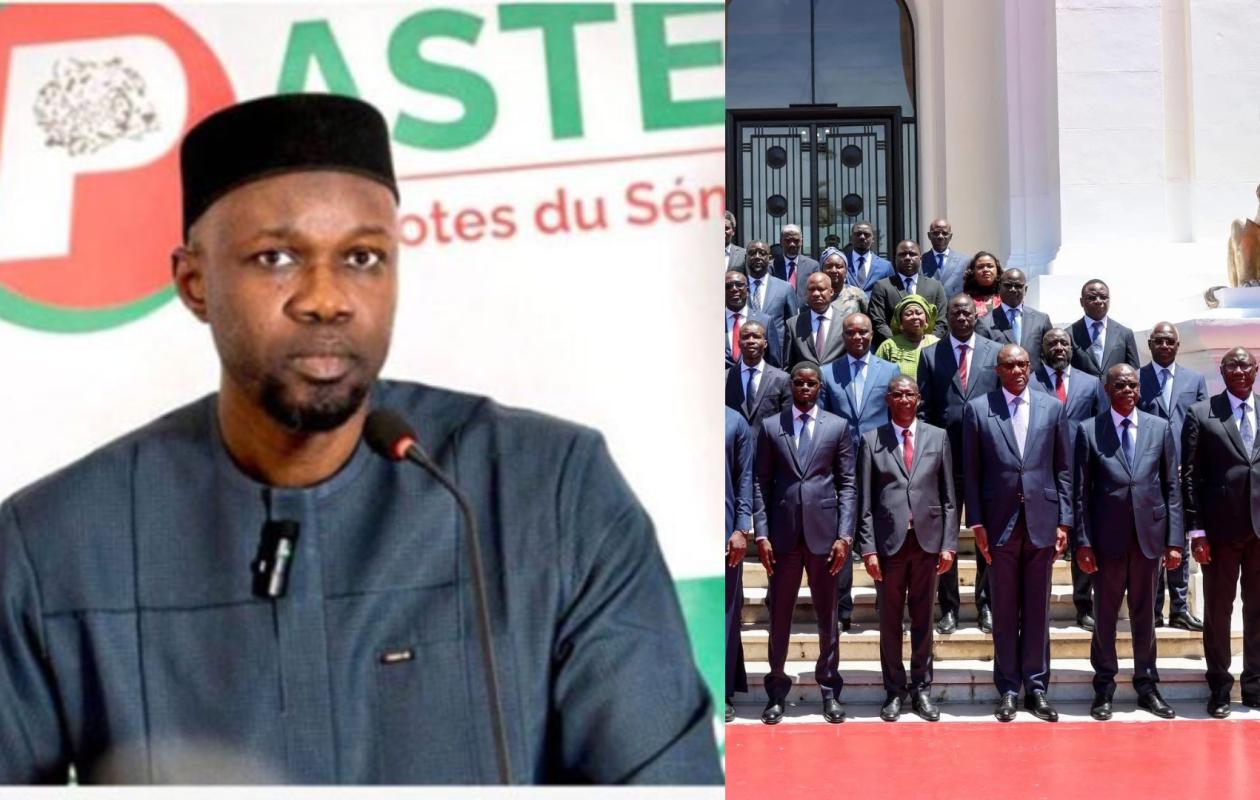
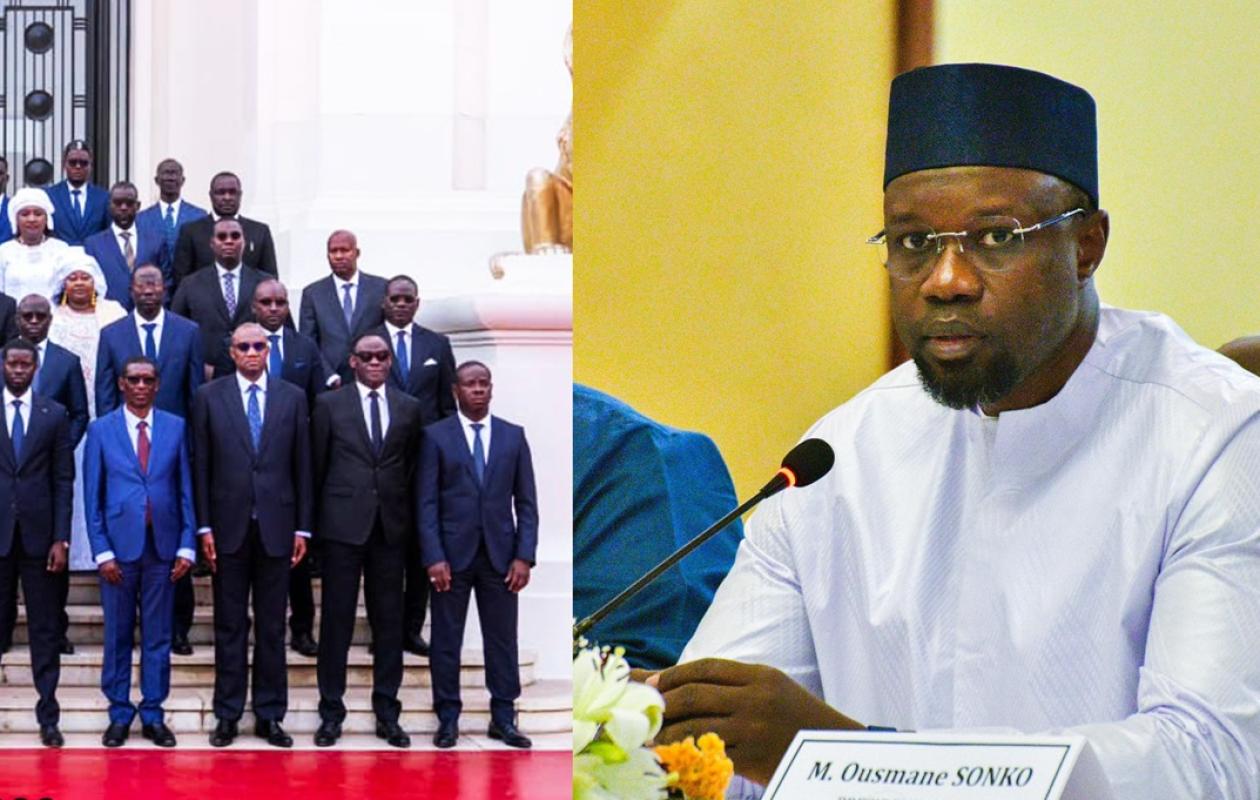
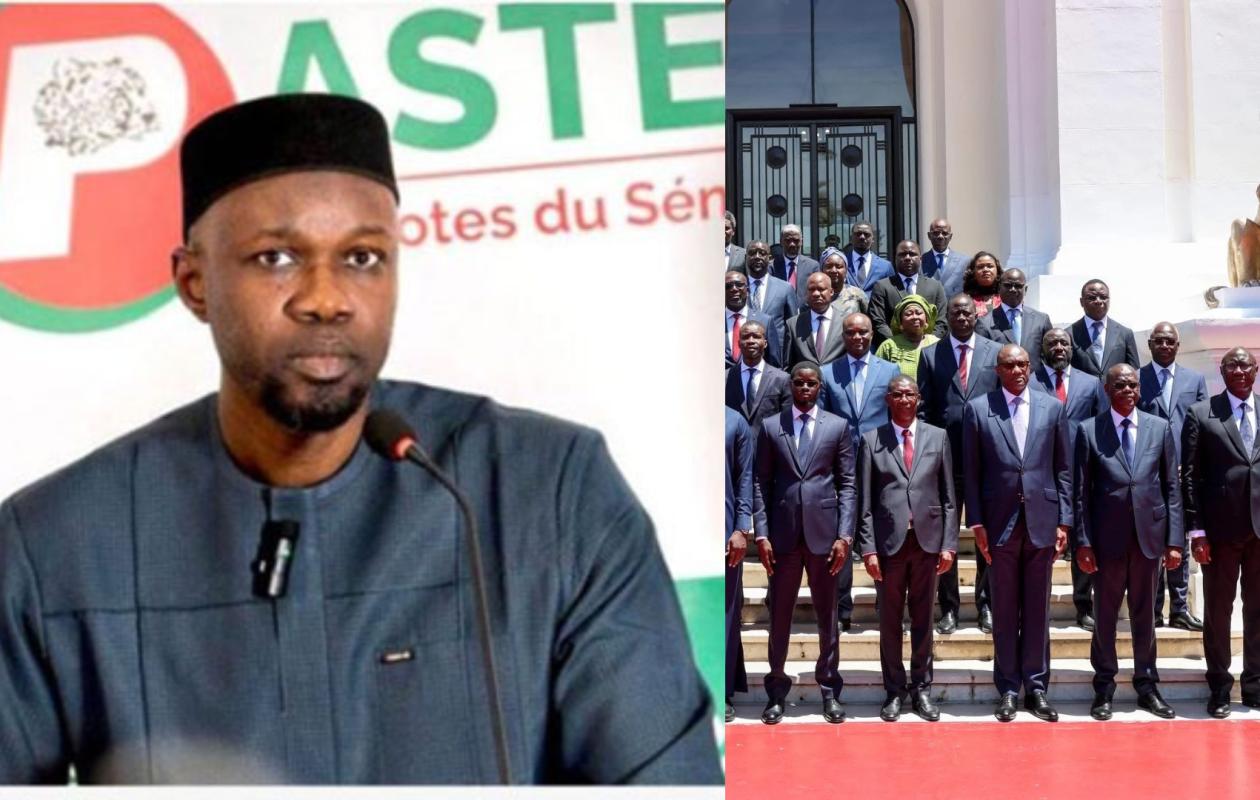
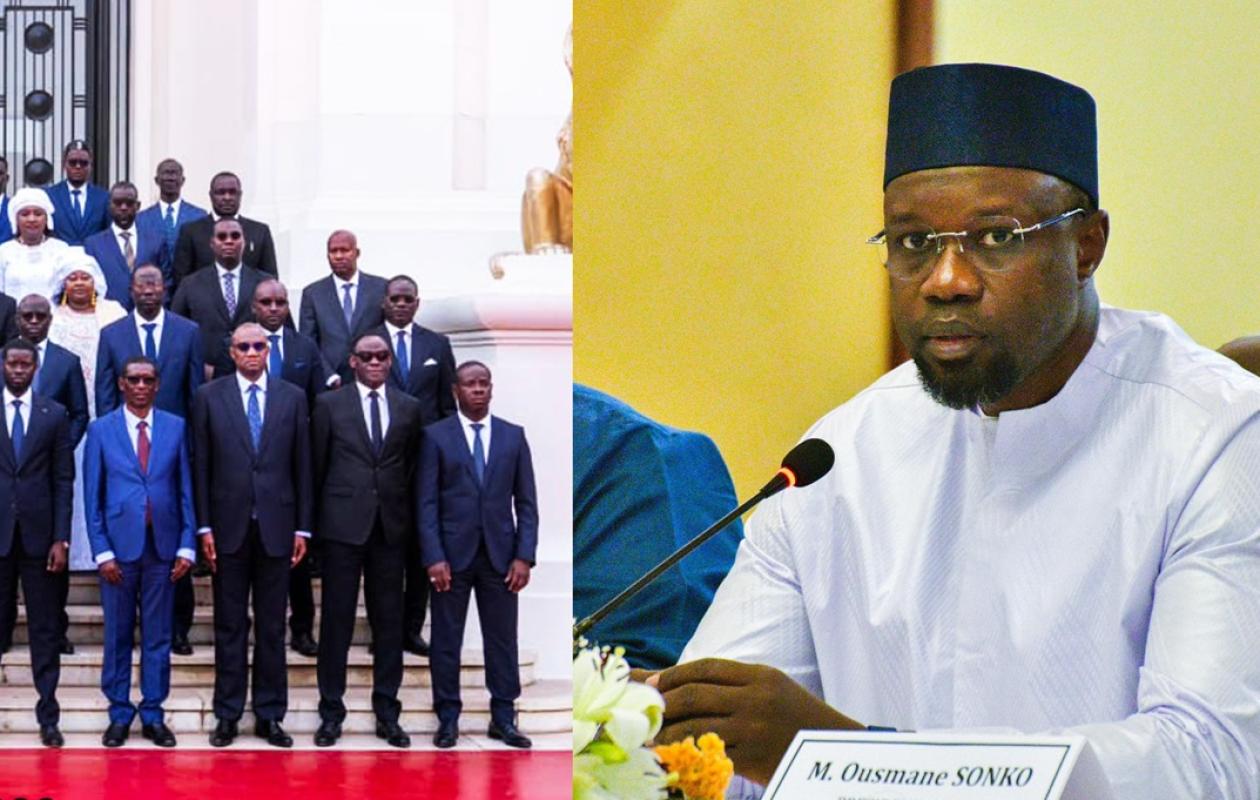
In barely a decade, Ousmane Sonko has established himself as one of the major players on the Senegalese political scene. For Professor Maurice S. Dione, there is no doubt: "Ousmane Sonko is a political phenomenon."
Speaking on the "Sunday Jury" program, he stressed that "the facts speak for themselves. Elected as a Member of Parliament in 2017, third in the 2019 Presidential election, then a central strategist for his camp's victory in 2024, Sonko has built a rapid and unique political trajectory."
Beyond the figures, the guest emphasizes "a new way of doing politics that has emerged with PASTEF." This, he says, involves "the centrality of ideas, a discourse of rupture, popular mobilization, and the rejection of traditional political parties."
According to Maurice Soudieck Dione, "this rise marks a profound reconfiguration of the Senegalese political landscape, with the progressive decline of the Socialist Party and the PDS, which were long dominant. A paradigmatic break that opens a new political sequence, still under construction."







Commentaires (8)
Participer à la Discussion
Règles de la communauté :
💡 Astuce : Utilisez des emojis depuis votre téléphone ou le module emoji ci-dessous. Cliquez sur GIF pour ajouter un GIF animé. Collez un lien X/Twitter, TikTok ou Instagram pour l'afficher automatiquement.