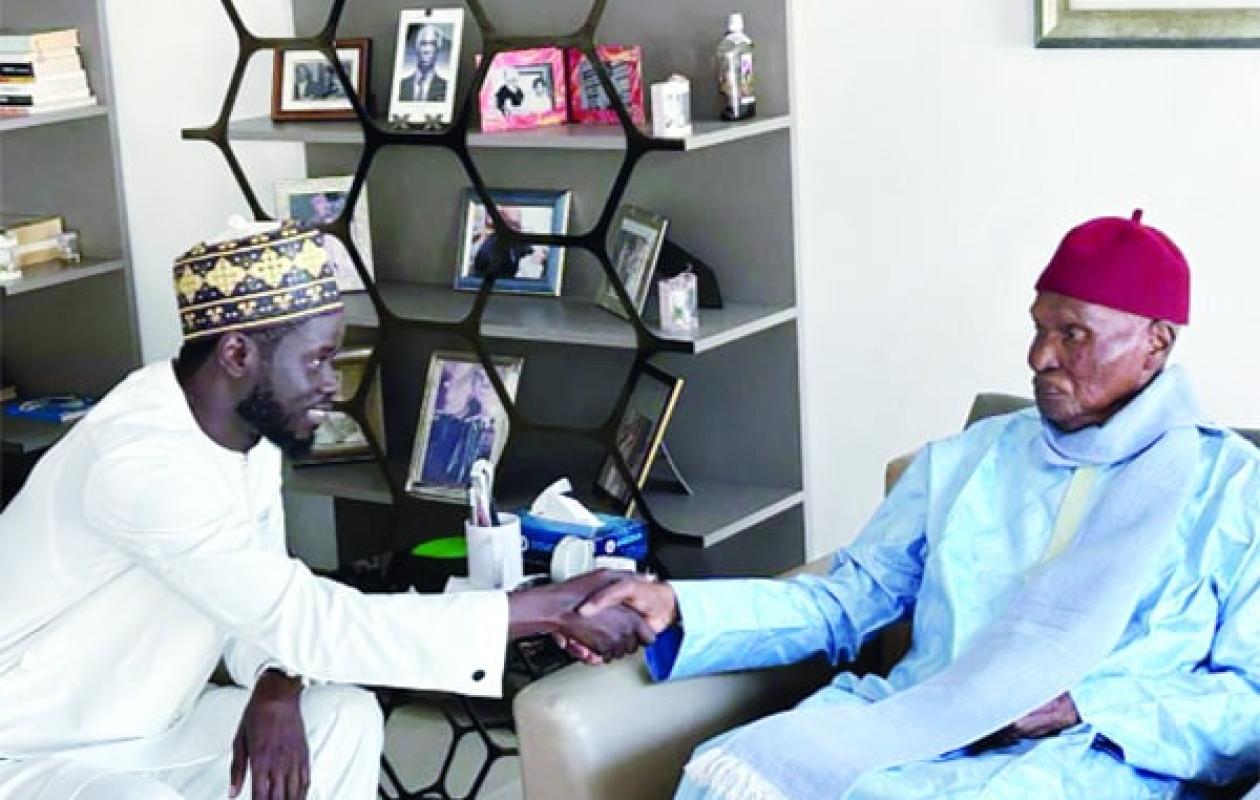
[Spécial indépendance] Défilés décentralisés : Un projet mort-né de Wade ressuscité par Diomaye au nom de « l’équité Territoriale »
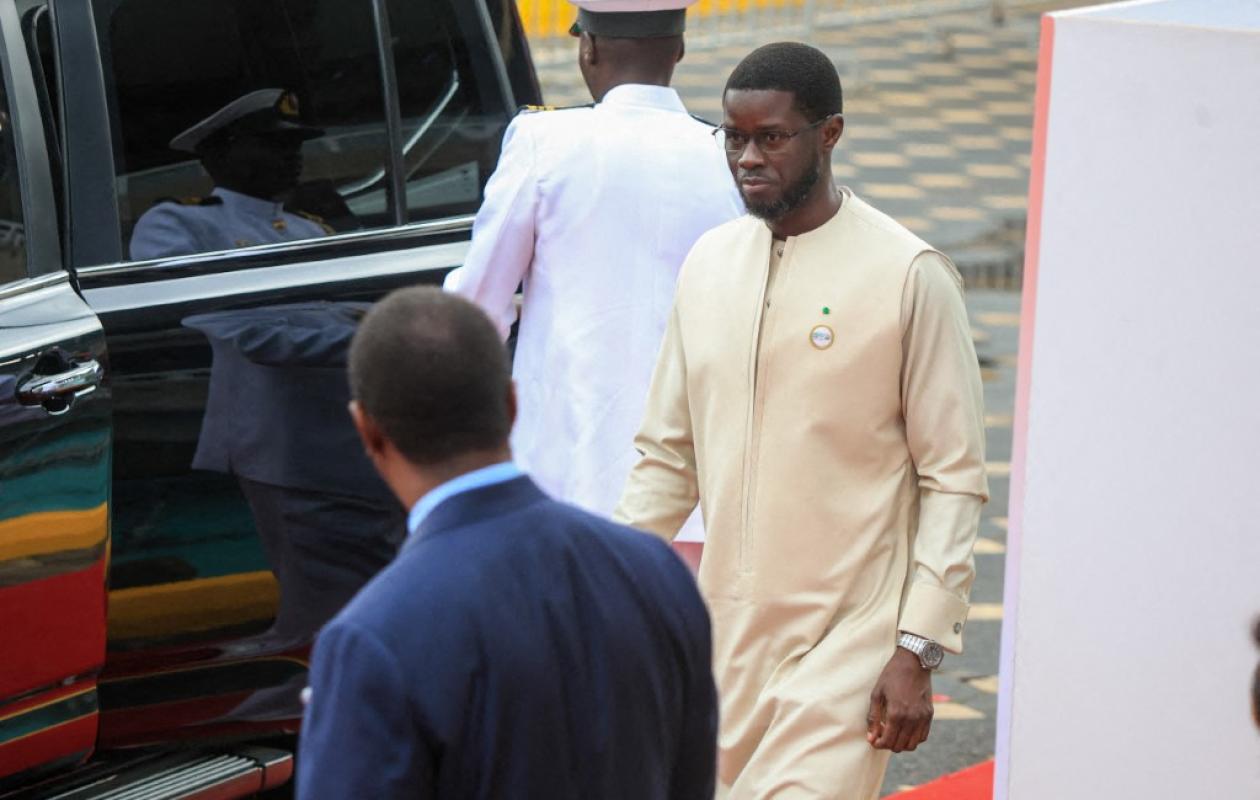
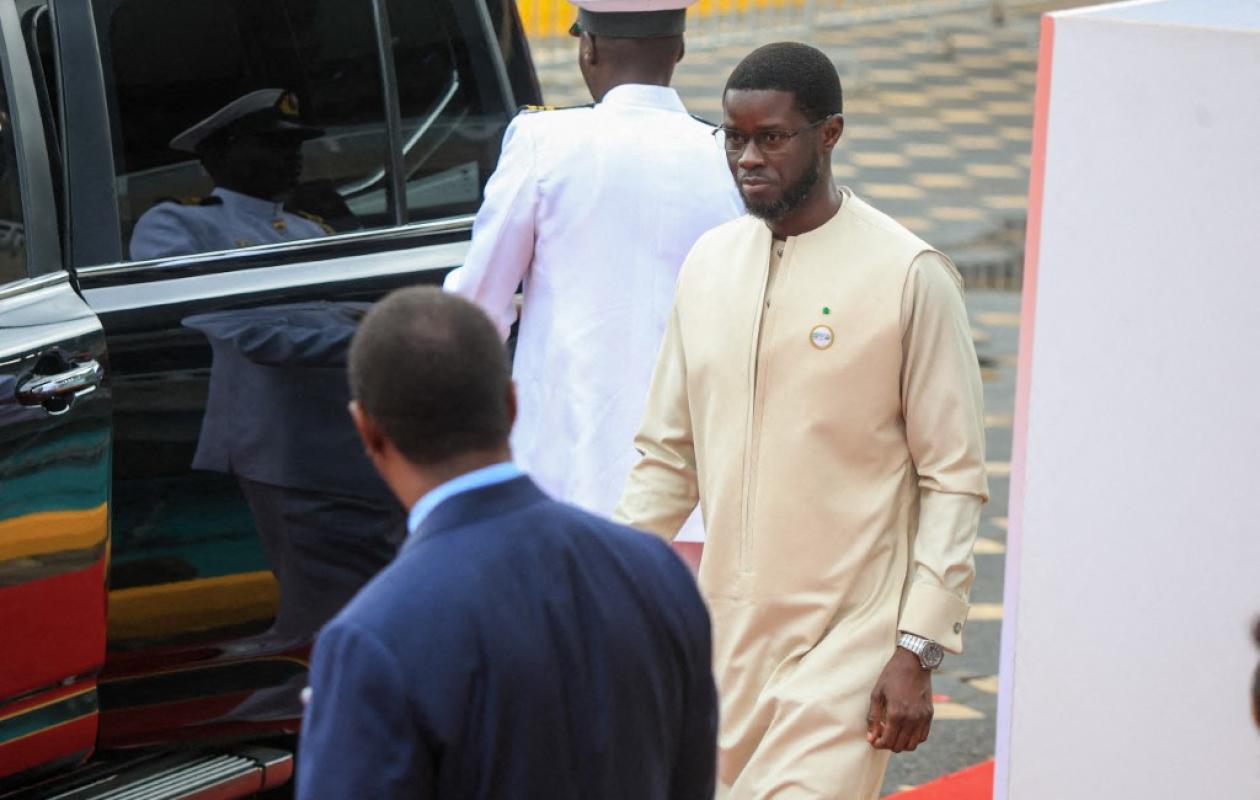
April 4, 2026, will mark a symbolic turning point for Senegal. By choosing the city of Thiès to host the civil and military parade marking the 66th anniversary of independence, President Bassirou Diomaye Faye is not only honoring a campaign promise, but also reviving a 22-year-old concept that had been relegated to the dubious realm of oblivion under the name "Independence Program." But where Abdoulaye Wade's dream was shattered by political infighting amidst the financial scandal surrounding the Thiès construction projects initiated for 4-4-44 (the 44th anniversary in 2004), the current regime's vision is intended to be the cornerstone of economic transformation through the establishment of regional hubs.
Goodbye to the disappointment of April 4, 1944, hello to the excitement of April 4, 1966! April 4, 2026, will be no ordinary national holiday. By shifting the heart of Senegal's independence celebrations from Place de la Nation (Dakar) to the "City of Rail" (Thiès), President Bassirou Diomaye Faye is making a major political statement. This decision, formalized at the Council of Ministers meeting on November 19, 2025, marks the rebirth of the "Independence Program," an initiative that revives a twenty-two-year-old project, one that remains a bitter pill for the people of Thiès to swallow as one of the biggest missed opportunities of the liberal era.
“With a view to establishing regional hubs and ensuring territorial equity, the President of the Republic plans to celebrate National Day in the regional capitals, other than Dakar, during his presidency, in the presence of the local populations and the relevant civil and military authorities,” reports the statement from the Council of Ministers announcing the good news. The document adds that, in this context, Bassirou Diomaye Faye has asked the Prime Minister, in conjunction with stakeholders, “to implement, starting in 2026, a National Program for the Modernization of Infrastructure and Equipment in Regional Capitals, called the ‘Independence Program,’ a source of territorial attractiveness and economic recovery.”
Considered a "lever for competitiveness and sustainable development," the territorial hubs will enshrine the fourth phase of decentralization. According to the current regime's vision, this involves grouping administrative regions to decentralize development, plan land use (Horizon 2050), and optimize local expertise (health, environment, infrastructure) starting in 2026. The eight hubs (Dakar, Thiès, Centre, Diourbel-Louga, South, Southeast, North, Northeast) involve elected officials, the private sector, and civil society for collaborative governance.
"Independence Program": The reasons for the failure of 4-4-44
To understand the magnitude of the challenge of decentralizing the April 4th celebrations in 2026, one must revisit the excitement of 2004, when the project matured before ultimately fizzling out. At the time, President Abdoulaye Wade, the tireless builder, launched the revolutionary idea of decentralizing the national holiday. Thiès, a strategic crossroads and the country's second-largest city, was intended to be the showcase for this "regional takeoff," which was meant to propel the regional capitals in particular, and all of Senegal's regions in general, onto the path of development. Massive investments, amounting to tens of billions of CFA francs, were injected to equip the city of Thiès with modern roads, state-of-the-art public lighting, and infrastructure befitting a capital city.
However, what was meant to be a triumphant celebration turned into a political earthquake with far-reaching consequences. The independence program literally crashed against the wall that had been erected between President Wade and his then-powerful Prime Minister, Idrissa Seck. Amid accusations of financial impropriety and a political power struggle, the parade was hastily repatriated to Dakar just days before the celebration. While the people of Thiès inherited paved roads, Wade's project was stillborn. It collapsed like a house of cards, leaving behind the bitter memory of a grandiose project sacrificed on the altar of personal ambition.
The "Thiès Construction Sites" then became the scene of a political and legal battle between a "father" (Wade) and his "son" (Idy) that would mark the reign of the liberal party. The project to decentralize the parades, as well as the ambitious "Independence Program" that formed its framework, were both buried, dismissed as a financial black hole and a breeding ground for corruption.
"Independence Program": The Challenge of Exhumation
The concept, dormant for over two decades, is experiencing a revival under the new regime. Relocation is no longer an improvisation; it is the driving force behind the creation of Territorial Hubs. The objective is to make territorial equity a reality by reducing the influence of Dakar, which currently concentrates the bulk of the nation's wealth, in order to foster the emergence of eight dynamic economic centers. The first challenge facing the new regime is ensuring the sustainability of the "Independence Program."
Meanwhile, the city of Thiès, preparing to host the army, the nation's vital forces, and international diplomacy, is in the spotlight. The success of this event will be a barometer of the new regime's ability to correct historical errors and implement decentralization policies that have remained mere wishful thinking for 66 years.










Commentaires (13)
Participer à la Discussion
Règles de la communauté :
💡 Astuce : Utilisez des emojis depuis votre téléphone ou le module emoji ci-dessous. Cliquez sur GIF pour ajouter un GIF animé. Collez un lien X/Twitter, TikTok ou Instagram pour l'afficher automatiquement.