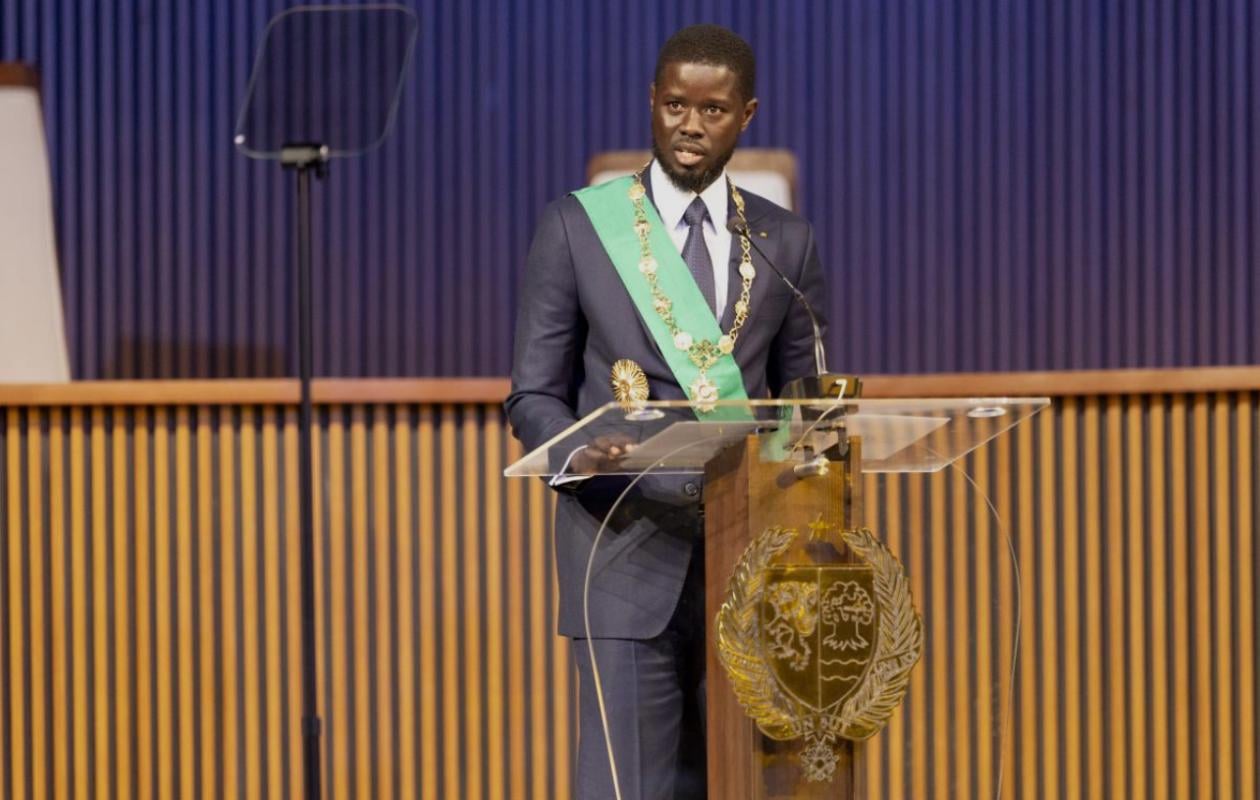
Vers la fin de l’hyper-présidentialisme au Sénégal ? : Dr Moustapha Fall dissèque les enjeux de la Réforme Diomaye
Is Senegal about to turn the page on the "republican monarchy" enshrined in the Constitution and the hyper-presidential regime? This is the dominant question after analyzing the four draft bills of the President of the Republic, Bassirou Diomaye Faye.
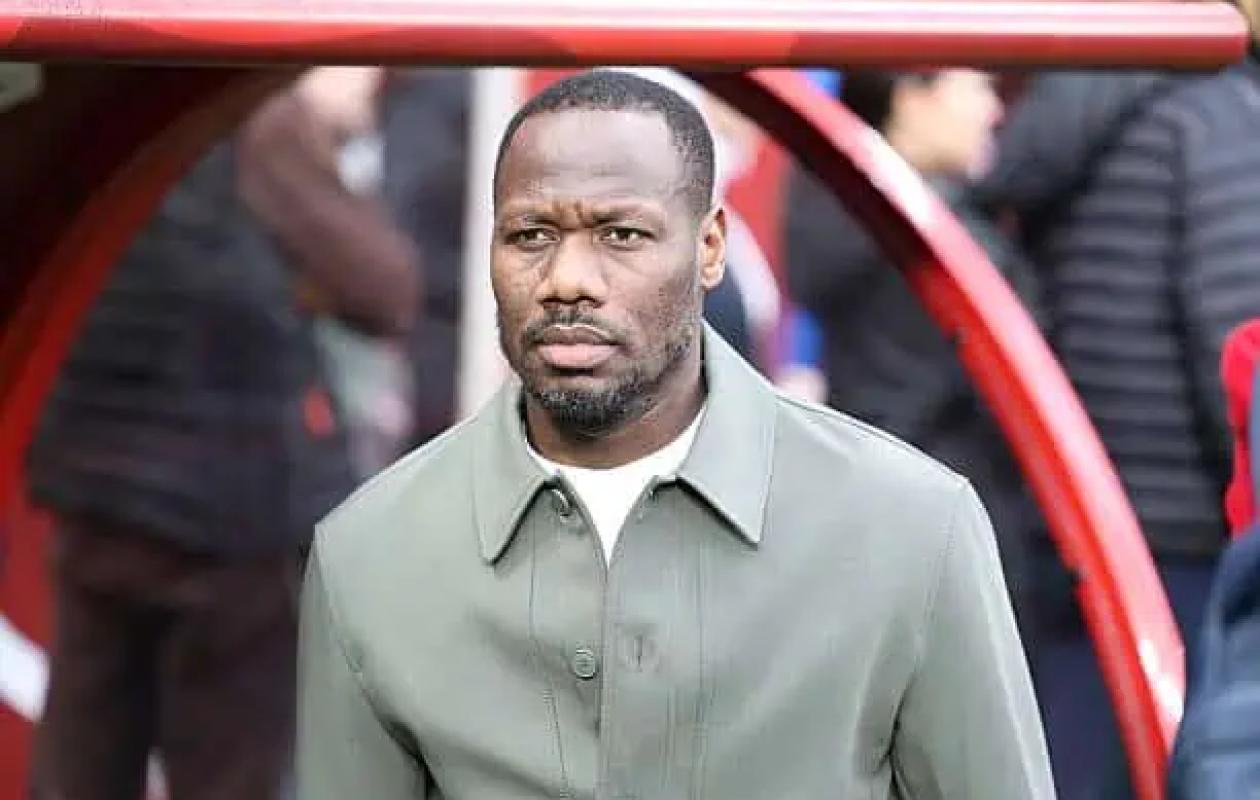
Invited to the show “Objection” on Sud FM this Sunday, Dr. Moustapha Fall, a teacher-researcher in public law at Cheikh Anta Diop University of Dakar (UCAD), analyzed the issues of this ongoing constitutional revision.
In a rigorous analysis delivered on Sud FM radio, the legal expert believes that the constitutional changes under consideration are not simple technical adjustments, but a real "reorganization" of the architecture of the executive branch, with the Prime Minister becoming de facto the "co-pilot" of the President of the Republic.
The most profound change in the executive branch's structure concerns the definition of national policy. Previously the exclusive domain of the Head of State, it will now be determined "in consultation" with the Prime Minister. "It is clear that the logic as it appears in the texts gives the impression of the advent of a new regime," Dr. Fall points out.
This rise in power of the head of government is manifested by three unprecedented levers, the legal expert confides. First, through the "co-definition of national policy", the PM emerges from the shadow of the President - as Diomaye wanted - to become a strategic partner of the President.
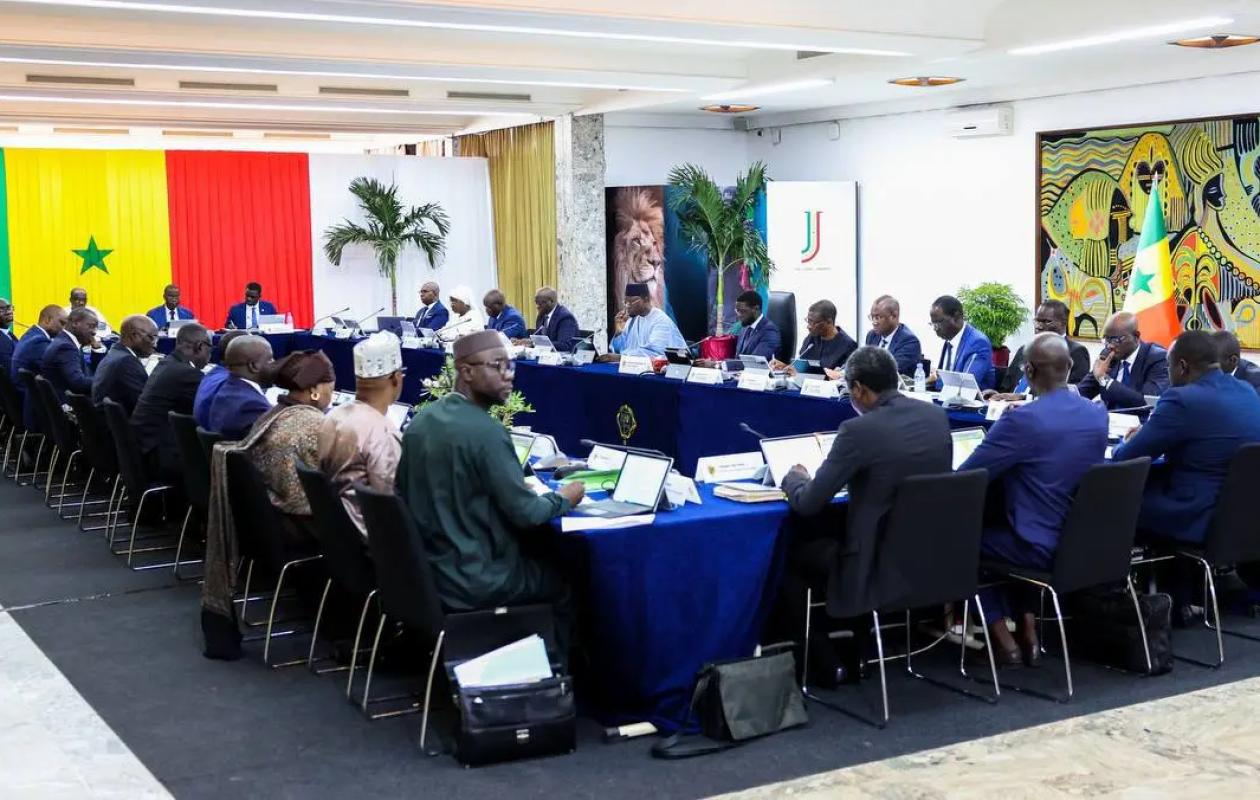
Next, the delegated presidency of the Council of Ministers gives the Prime Minister the prerogative to lead government meetings, a function historically centralized by the President of the Republic.
Finally, the new reform championed by President Diomaye now grants the Prime Minister the power to refer matters to the Constitutional Council or Constitutional Court, should the reform be adopted. By becoming an "institutional petitioner," the Prime Minister thus acquires legal autonomy vis-à-vis the other branches of government, on par with one-tenth of the members of parliament or the President of the Republic.
The Shadow of 1962
However, Dr. Moustapha Fall urges caution. While the rebalancing is real, it does not represent a complete shift to a parliamentary system. "The President of the Republic remains the keystone of the institutions," he reminds us, referring to Senegal's constitutional history marked by the 1962 crisis between Léopold Sédar Senghor and Mamadou Dia.
The Head of State retains his ultimate weapon: the power to appoint and dismiss the Prime Minister at his discretion. "Unlike other systems where the Prime Minister cannot be dismissed unless he resigns, here, the President retains absolute control," explains the professor and researcher.
The challenge of this reform, he believes, will be to navigate between governmental efficiency and the risk of a power struggle at the highest levels of government. For Dr. Fall, the essential point is to ensure that the Senegalese political system "is not distorted."
By softening the hyper-presidential approach without stripping the President of the Republic of his role as guarantor of the institutions, the Head of State is seeking a middle ground. It remains to be seen whether this "consultation," promised in the official documents, will withstand the realities of political practice and any potential divergent ambitions within the executive branch.











Commentaires (3)
Participer à la Discussion
Règles de la communauté :
💡 Astuce : Utilisez des emojis depuis votre téléphone ou le module emoji ci-dessous. Cliquez sur GIF pour ajouter un GIF animé. Collez un lien X/Twitter, TikTok ou Instagram pour l'afficher automatiquement.