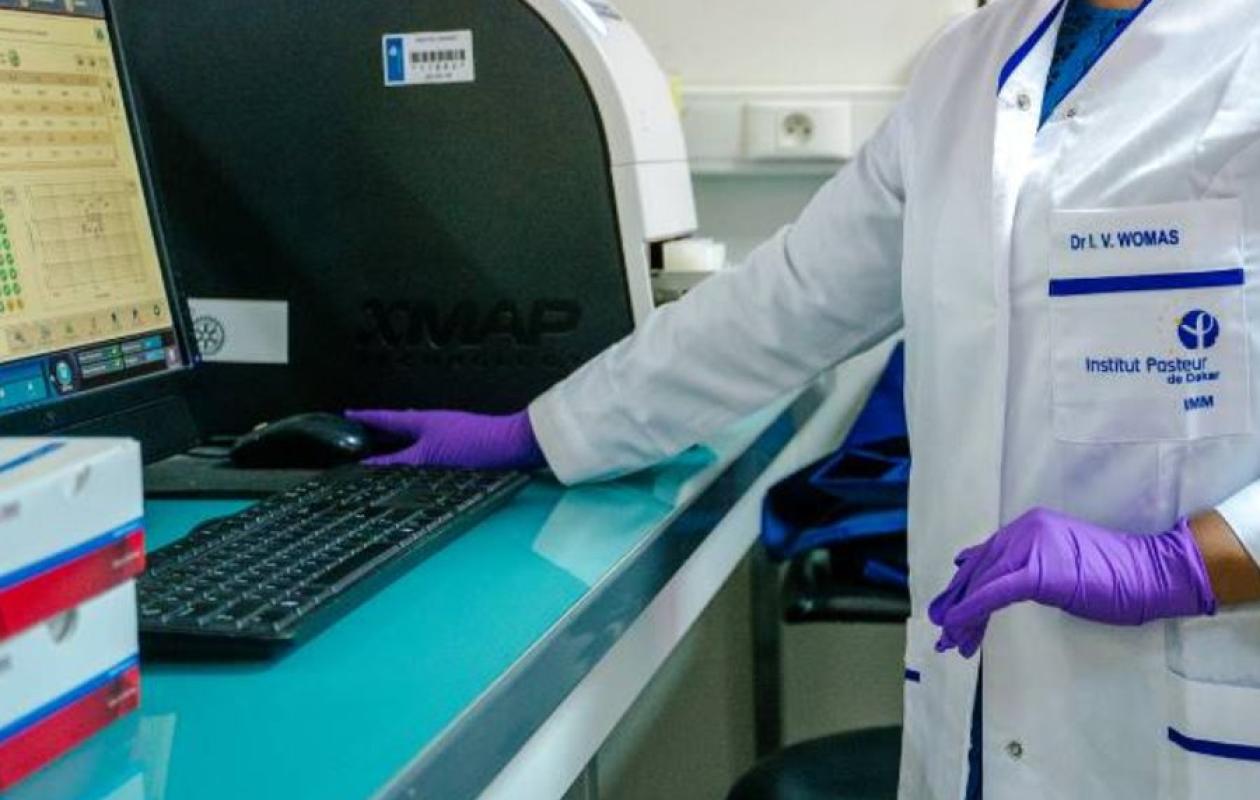
Institut Pasteur : L'intelligence artificielle en médecine, une chance ou un danger pour les Sénégalais ?
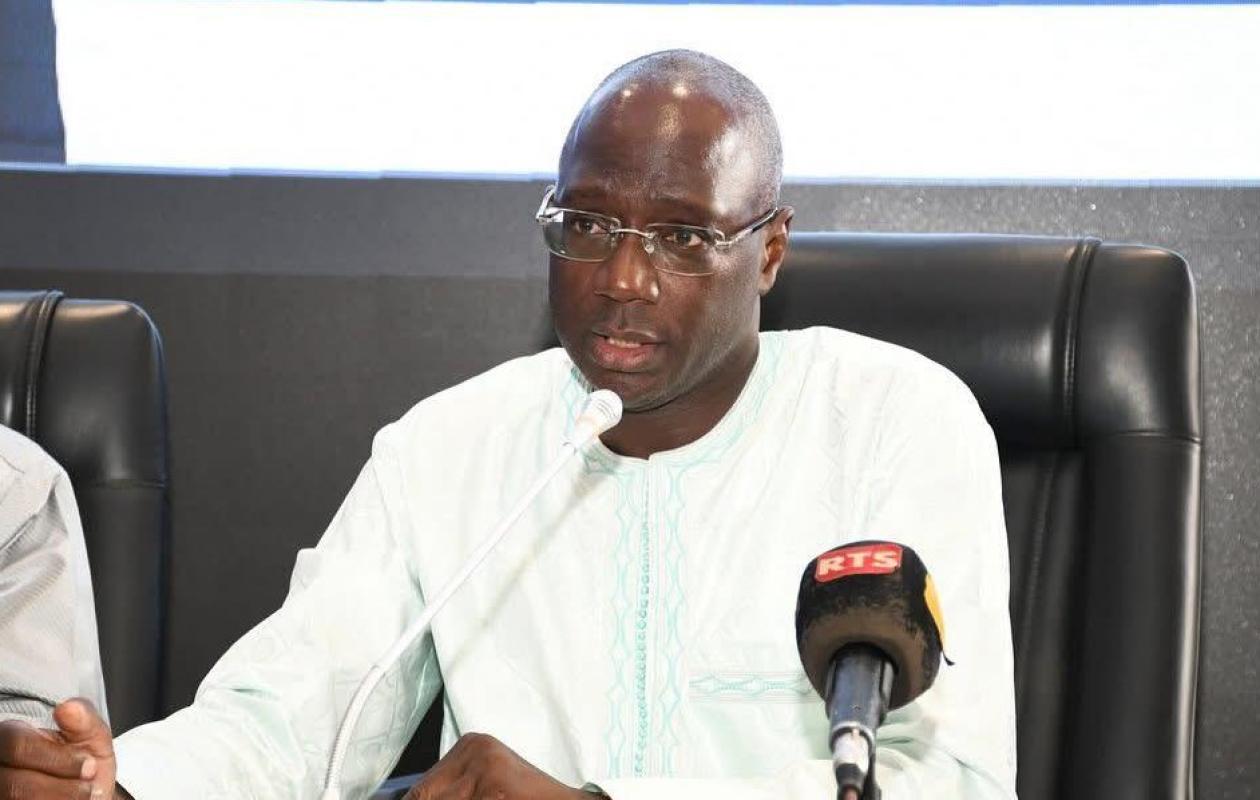
Faced with significant scientific advances in the field of health, Senegal finds itself at a crucial turning point. While technological innovations are gradually transforming the healthcare system, numerous challenges and obstacles still hinder a fully inclusive transformation. This was the observation made by Professor Colonel Ibrahima Seck, a public health specialist, during a roundtable organized by the Pasteur Institute of Dakar and the World Health Organization (WHO) to mark World Health Day.
.
For Professor Ibrahima Seck, science undeniably plays a central role in improving healthcare systems. Telemedicine, artificial intelligence, and digital tools: these innovations improve access to care, accelerate diagnoses, and personalize treatments. But this dynamic, however promising, remains marked by profound disparities. "Yes, science is already transforming healthcare in Senegal. But this transformation remains incomplete," he emphasizes.
Among the main obstacles, the professor highlights the digital divide. A large portion of the population, particularly in rural areas, lacks regular internet access or suitable equipment. "A significant part of the population remains on the margins of innovation due to a lack of access to technology and sufficient connectivity," he laments. This situation limits the impact of digital health solutions, which are nevertheless essential to address infrastructure gaps.
Beyond digital technology, disparities between urban and rural areas weigh on the fairness of the system. Access to specialists and modern equipment remains highly concentrated in large cities. "Innovations are often available where needs are already better met," notes Professor Seck, pointing to a structural imbalance.
Another major challenge is training for those involved. Introducing new technologies requires specific skills for both healthcare professionals and patients. "The lack of training is a major obstacle to the adoption of digital tools," he emphasizes. Without support, these innovations risk remaining underutilized.
The professor also highlights the financial constraints hindering local startups and the lack of coordination between digital solutions. "We are facing an interoperability problem: the systems don't always communicate with each other," he explains. This fragmentation undermines the overall effectiveness of the healthcare system.
With increasing digitalization, the issue of data protection is becoming crucial. Professor Seck warns of the risks of cyberattacks and leaks of sensitive information. "Trust in digital systems also depends on enhanced security for health data," he emphasizes.
Despite these obstacles, the expert remains convinced of science's potential. To achieve this, he calls for a comprehensive approach: "Technology alone is not enough. We must invest in infrastructure, train stakeholders, and strengthen the system's governance." Ultimately, Senegal must ensure that scientific advances benefit everyone without exacerbating inequalities.













Commentaires (2)
Participer à la Discussion
Règles de la communauté :
💡 Astuce : Utilisez des emojis depuis votre téléphone ou le module emoji ci-dessous. Cliquez sur GIF pour ajouter un GIF animé. Collez un lien X/Twitter, TikTok ou Instagram pour l'afficher automatiquement.