VIH, tuberculose, paludisme : des progrès majeurs salués en Afrique francophone
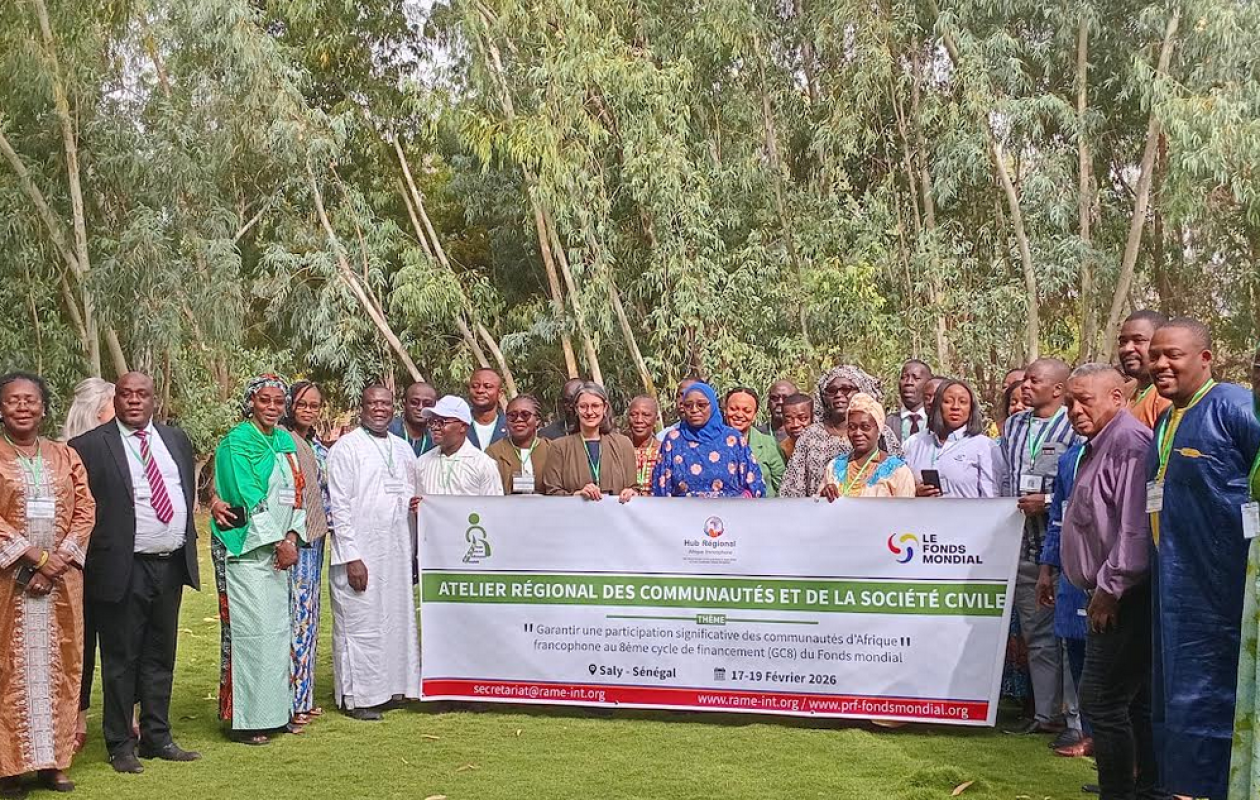
Francophone Africa has made considerable progress in recent years in the fight against HIV, tuberculosis, and malaria. These results were highlighted at the opening ceremony of the regional workshop on community participation in the Global Fund's 8th Round of Funding (GC8), held in Saly. The meeting brought together representatives from some fifteen West and Central African countries, as well as technical and institutional partners involved in this health campaign.
According to officials, the joint efforts of states, health facilities, and community organizations have expanded access to treatment, improved screening, and strengthened prevention strategies. Despite these advances, stakeholders emphasized that the region continues to face persistent challenges such as funding constraints, unequal access to healthcare services, and the vulnerability of certain populations.
A rapidly changing global context
According to Georgina Yidanpoa Caswell, technical advisor at the Global Fund, this workshop takes place within a global health landscape marked by profound changes. She stated that "the world we knew a year ago no longer exists," citing the tightening of funding conditions, humanitarian crises, climate shocks, and the shrinking of civic space. Faced with these challenges, participants emphasized the absolute necessity of preserving access to essential care for the most vulnerable.
The GC8 funding cycle represents a crucial step in safeguarding achievements and setting new priorities. Aissatou Mbaye Ndiaye, Chair of the National Coordinating Committee of Senegal, emphasized that this cycle is much more than a mere administrative exercise. She stated that “Global Fund grants are implemented by countries and local actors, including communities and civil society, who translate resources into concrete results.”
The central role of communities and the roadmap to 2027
Community organizations play a leading role in needs assessment, program implementation, and monitoring the accountability of funding. In a context of limited international resources, civil society is also called upon to mobilize more domestic funding and diversify its partnerships. Hamidou Ouedraogo, from the Network for Access to Essential Medicines (RAME), welcomed the Global Fund's support in strengthening the capacities of these actors.
The coordinator of the Francophone Africa Regional Hub, Ida Sawadogo, noted that the current cycle (GC7) will conclude at the end of 2026, before the launch of GC8 in January 2027. Each country will have to submit a funding request outlining its priority interventions. The workshop in Saly aims to equip participants with practical tools to strengthen community involvement in the development of these requests.
Experts point out, however, that Africa remains one of the most affected regions, which necessitates intensifying efforts to achieve global goals by 2030.


![[Édition Spéciale] Tout Sur la Composition du Nouveau Gouvernement](https://image.seneweb.com/content/news/2026-23-01//thumb_1260x800_6a1ddca812d4e_URisx1rdt4.jpg)








Commentaires (2)
Participer à la Discussion
Règles de la communauté :
💡 Astuce : Utilisez des emojis depuis votre téléphone ou le module emoji ci-dessous. Cliquez sur GIF pour ajouter un GIF animé. Collez un lien X/Twitter, TikTok ou Instagram pour l'afficher automatiquement.