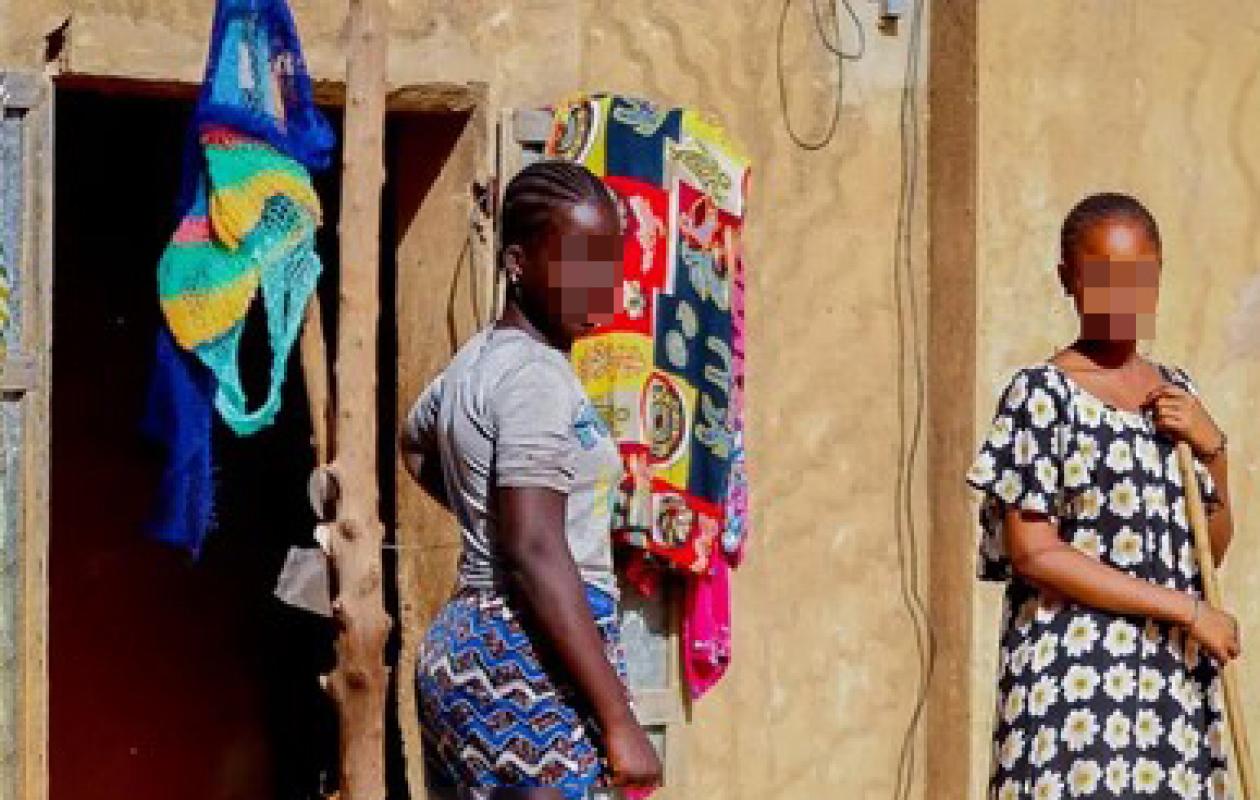
Travail domestique invisible : Près de 25,8 % des femmes sénégalaises sont exclues de la population active
In Dakar, UN Women Senegal closed the "Recognize, Reduce and Redistribute" (3R) program on May 18, 2026, an initiative supported by the German federal government aimed at alleviating the burden of unpaid domestic work which still hinders the economic empowerment of women, particularly in rural areas.
The capitalisation workshop brought together representatives of the State, local authorities, technical and financial partners, civil society organisations and beneficiaries from Saint-Louis, Sédhiou and Ziguinchor.
At the heart of the discussions: the need to make unpaid care work a major economic and political issue.
According to the results of the National Time Use Survey carried out in 2022 by the National Agency for Statistics and Demography (ANSD) with the support of UN Women, Senegalese women spend on average more than 4 hours a day on housework and childcare, compared to only 27 minutes for men.
In some rural areas, this burden can reach up to 12 hours a day. These figures reflect a reality with serious consequences: nearly 25.8% of Senegalese women are excluded from the workforce due to caregiving responsibilities, while 46% of rural women provide daily care for a family member.
For Arlette Mvondo, UN Women's Resident Representative in Senegal, this situation constitutes a structural obstacle to the country's economic development. "Unpaid domestic and care work remains largely invisible in economic indicators, even though it is essential to the functioning of families, communities, and economies," she stated. She noted that, according to estimates from the National Agency for Statistics and Demography (ANSD), if this work were accounted for, it would represent approximately 13.9% of Senegal's GDP.
In response to this reality, the 3R program has been implemented in several regions to promote transformative approaches based on three pillars: recognizing, reducing, and redistributing care work. The results presented at the meeting demonstrate concrete impacts on the lives of rural women.
At the institutional level, 1,628 local authorities have been engaged in integrating the 3R approach into local policies and 19 local authorities have strengthened their capacities in gender-sensitive governance.
On the social front, 9,000 female agricultural workers and their families were enrolled in health insurance programs. In the area of early childhood, 19 community-based childcare facilities were renovated and equipped, allowing more than 1,600 children to grow up in a safe environment while freeing up time for their mothers. For the beneficiaries, these changes have profoundly transformed their daily lives.
Speaking on behalf of the National Network of Rural Women of Senegal, Mariama Diedhiou emphasized that rural women have always carried an invisible burden of labor that often prevents them from fully developing their economic activities. "When a rural woman is relieved of a few hours of chores, she is a woman who invests more in her community, improves her production, and strengthens her leadership," she stated. She praised the visible effects of the program in communities, mentioning in particular the reduction of time spent on domestic tasks, access to childcare facilities, the development of income-generating activities, and improved social protection. However, for women's organizations, these gains must now be extended to the entire country.
Rural women have thus launched a plea for the sustainability of the program, better access to land, financing, agricultural equipment and markets, but also for a more substantial investment in the care economy.
Representing the Ministry of Family, Social Action, and Solidarity, Dr. Rokhaya Diakhaté stated that the 3R program has brought long-neglected care work back to the forefront of public policy. "Unpaid care work is currently one of the main obstacles to women's full participation in economic and social development," she declared. She emphasized the need for a lasting transformation of social norms to promote a more equitable sharing of domestic and family responsibilities.
German cooperation, the program's main financial partner, also reaffirmed its commitment to women's economic empowerment. The representative of German cooperation emphasized that care work should be considered an essential social infrastructure and a powerful driver of economic growth. "Investing in care work is not just a social investment. It is also a profitable economic investment that creates jobs, improves productivity, and reduces inequality," she argued. The partners indicated their intention to continue their efforts to sustainably integrate the care economy into local and national public policies.
Beyond the figures, the speakers emphasized a shared conviction: easing the domestic burden on women means giving them back their time, dignity, and economic opportunities. And for UN Women, as for Senegalese women's organizations, this transformation is now an essential condition for inclusive and sustainable development in Senegal.









![[EXCLUSIF]De Ziguinchor au Méridien : Le déballage explosif de Ndiaga Seck qui livre les noms et numéros de 10 de ses amants](https://image.seneweb.com/content/news/2026-21-18//thumb_1260x800_6a0b129f253e7_EAmQ8XmZt5.jpg)
![[EXCLUSIF] Ndiaga Seck : Ce qu'il a dit sur Ousmane Sonko](https://image.seneweb.com/content/news/2026-21-18//thumb_1260x800_6a0b59b4699aa_zsVjCNITAk.jpg)










Commentaires (1)
Participer à la Discussion
Règles de la communauté :
💡 Astuce : Utilisez des emojis depuis votre téléphone ou le module emoji ci-dessous. Cliquez sur GIF pour ajouter un GIF animé. Collez un lien X/Twitter, TikTok ou Instagram pour l'afficher automatiquement.