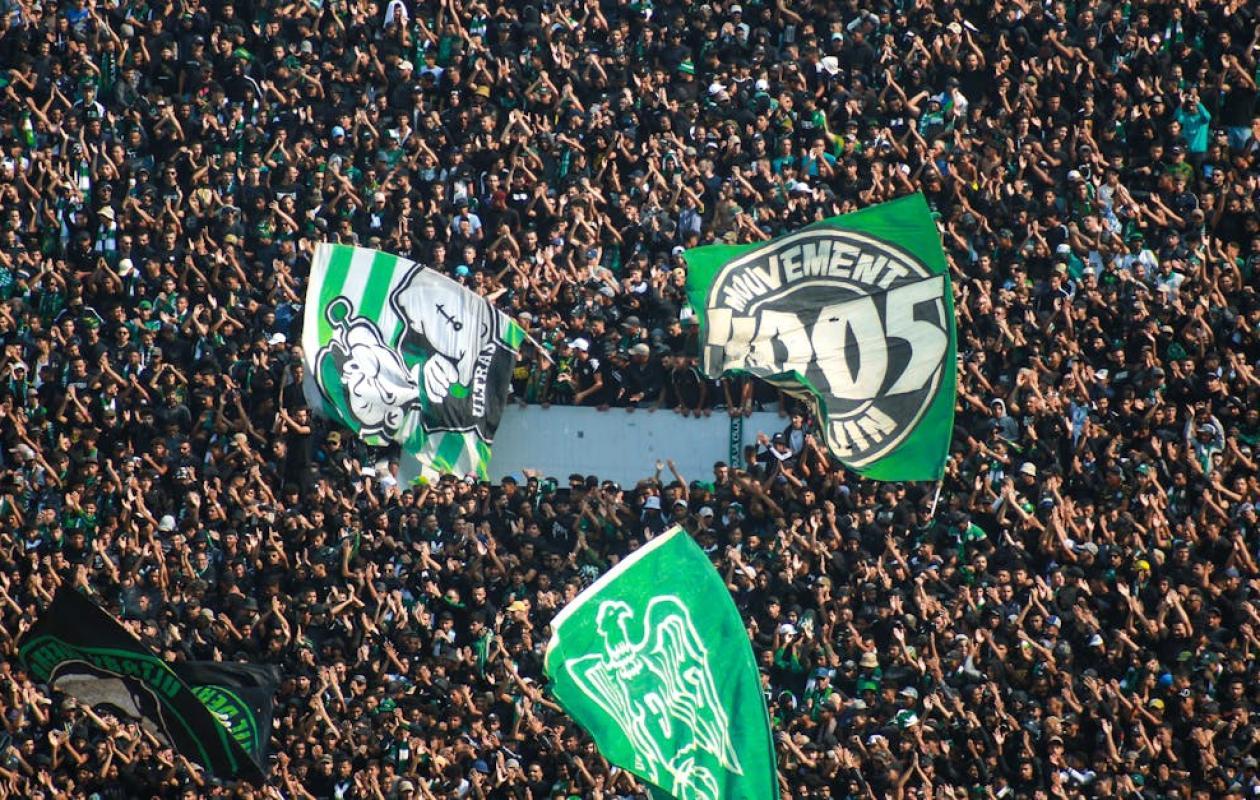
Supporters marocains en tribune - Photo: Pexels/Aymane Hanni
Following an unjust decision by the CAF Appeal Board, issued two months after Senegal's on-field victory in the final, and the prolonged detention of 18 Senegalese supporters in Morocco, public outrage has moved beyond the sporting arena. Faced with what is perceived as a double injustice—sporting and humanitarian—a peaceful, economic, and citizen-led response is now imperative.
African football has just crossed a worrying threshold. Two months after Senegal won the final (1-0), the CAF Appeal Board made a decision as belated as it is controversial: stripping Senegal of the trophy and awarding it to Morocco.
Based on legal arguments concerning a match interruption, this decision raises serious questions: how can a result validated by the referee after play resumed and the final whistle was blown be called into question?
In sport, one rule is paramount: the result on the pitch is final. By undermining this principle, the very credibility of African competitions is at stake. If results can be revised after the fact, no victory is ever truly secure.
Adding to this controversy is an even graver reality: the prolonged detention of 18 Senegalese supporters in Morocco.
Arrested on the fringes of the match, they remain deprived of their liberty weeks after the incident. This situation appears disproportionate and difficult to reconcile with the values of African fraternity that football is supposed to embody.
We cannot celebrate continental unity in the stadiums while allowing such a situation to persist. This contradiction undermines the message promoted by African sporting institutions.
Senegal and Morocco share deep historical, cultural, and spiritual ties. This fraternity is real and must be preserved.
But it requires mutual respect. When a sense of injustice takes hold, it is legitimate to react—calmly, but firmly.
To react is not to sever ties. It is to remind everyone that any lasting cooperation is built on fairness and mutual consideration.
In the face of this situation, a peaceful and strategic citizen mobilization is necessary.
First, it involves supporting national capabilities: for travel to Morocco (Fez, Rabat, Casablanca), choosing Air Senegal sends a powerful signal.
In the banking sector, customers can withdraw their available funds from Moroccan banks operating in Senegal—without closing their accounts—to express an expectation of respect.
On the consumption front, a shift is possible: suspending the purchase of imported Moroccan products, particularly oranges, clementines, and other fruits and vegetables, and favoring local or regional produce instead.
This approach, far from any hostility, aims to defend a simple demand: respect for the truth of the game, the dignity of citizens, and the credibility of African institutions.







![[Direct-Mbour] Suivez le Grand Meeting de Diomaye-Président...](https://image.seneweb.com/content/news/2026-19-09//thumb_1260x800_69ff670a4143a_EqZ4whKAeU.jpg)










Commentaires (0)
Participer à la Discussion
Règles de la communauté :
💡 Astuce : Utilisez des emojis depuis votre téléphone ou le module emoji ci-dessous. Cliquez sur GIF pour ajouter un GIF animé. Collez un lien X/Twitter, TikTok ou Instagram pour l'afficher automatiquement.