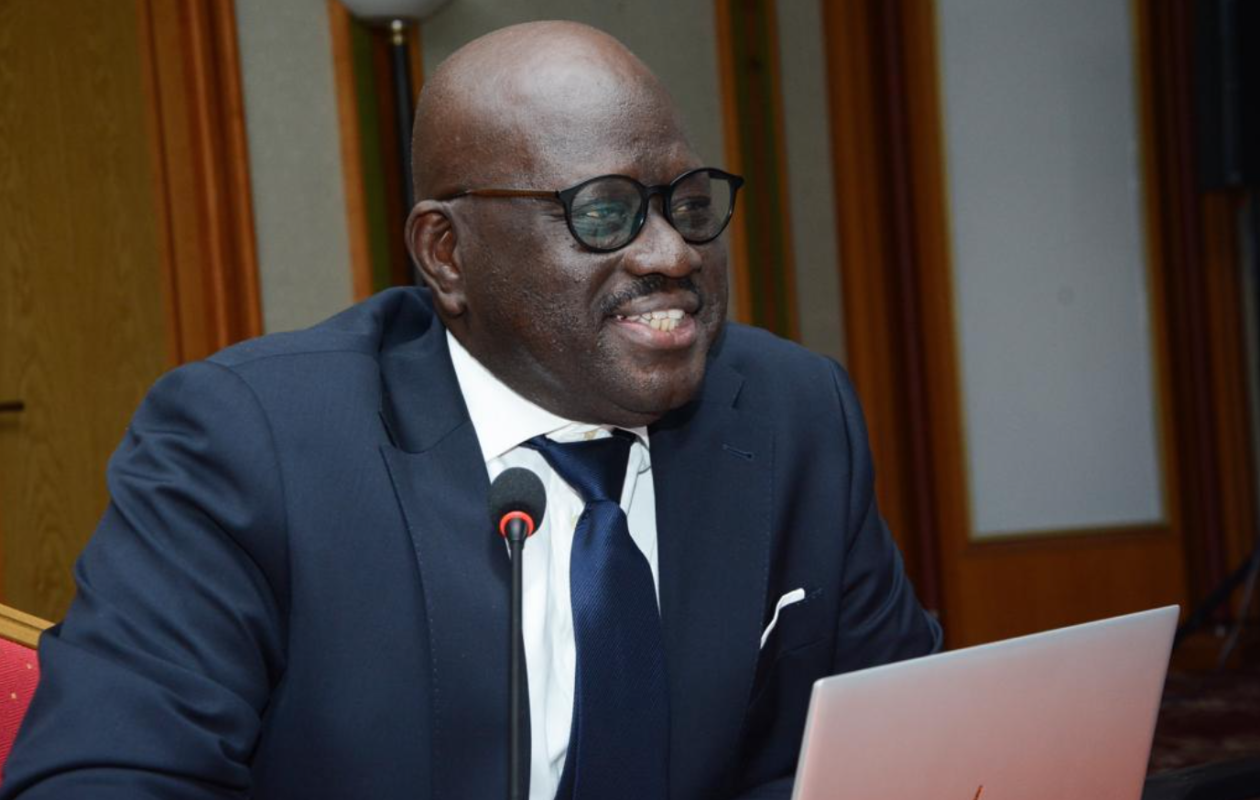
Infrastructures, gouvernance et données : Le professeur Abdoulaye Sakho décrypte les défis majeurs du sport africain
With the 2025 Africa Cup of Nations in Morocco approaching, African football is back in the spotlight. But beyond the popular enthusiasm, a question remains: is African sport structured to become a genuine driver of economic and social development?
Invited to the "Sunday Jury" program on iRadio, Professor Abdoulaye Sakho, a law professor and specialist in sports law, delivered a clear-sighted and uncompromising analysis of the obstacles that still hinder the development of African sport. His diagnosis rests on three essential pillars: infrastructure, governance, and data.
According to Professor Abdoulaye Sakho, "the challenge lies not only in the construction of stadiums, but above all in their use and management." "Sports infrastructure should not only serve to host competitions. It should be conceived as living spaces serving the community," he asserts.
Too often, these facilities remain underutilized outside of matches, even though they could generate economic, cultural, and educational activities. A modern sports infrastructure, he argues, must be multifunctional and integrated into its social environment.
The second major obstacle identified by the academic concerns the governance of African sport, which is still largely based on trial and error. “We transitioned to professionalism without having put in place the necessary rules and protections,” he laments. The absence of robust legal frameworks, unbalanced contracts, and a lack of transparency are all factors that weaken stakeholders and discourage investors. Professor Sakho advocates for a modern sports code capable of regulating transfers, securing careers, and creating a climate of trust.
For him, the most worrying deficit remains the lack of reliable data on African sport.
“Without data, it is impossible to design coherent public policies,” he warns. The economic impact of sport, the number of jobs created, the profitability of infrastructure, and the trajectories of talented athletes: this information remains largely unknown. He therefore calls for greater involvement from universities and research centers to produce robust analyses for policymakers.
According to Professor Abdoulaye Sakho, African sport has considerable potential, particularly in terms of talent and popular mobilization. However, this potential can only be fully exploited through profound structural reform.
“Talent is a strategic resource. It must be protected, organized, and valued,” he insists. The 2025 Africa Cup of Nations in Morocco is a major test. It will reveal whether Africa is ready to transform its major sporting events into genuine sustainable development projects.











Commentaires (0)
Participer à la Discussion
Règles de la communauté :
💡 Astuce : Utilisez des emojis depuis votre téléphone ou le module emoji ci-dessous. Cliquez sur GIF pour ajouter un GIF animé. Collez un lien X/Twitter, TikTok ou Instagram pour l'afficher automatiquement.