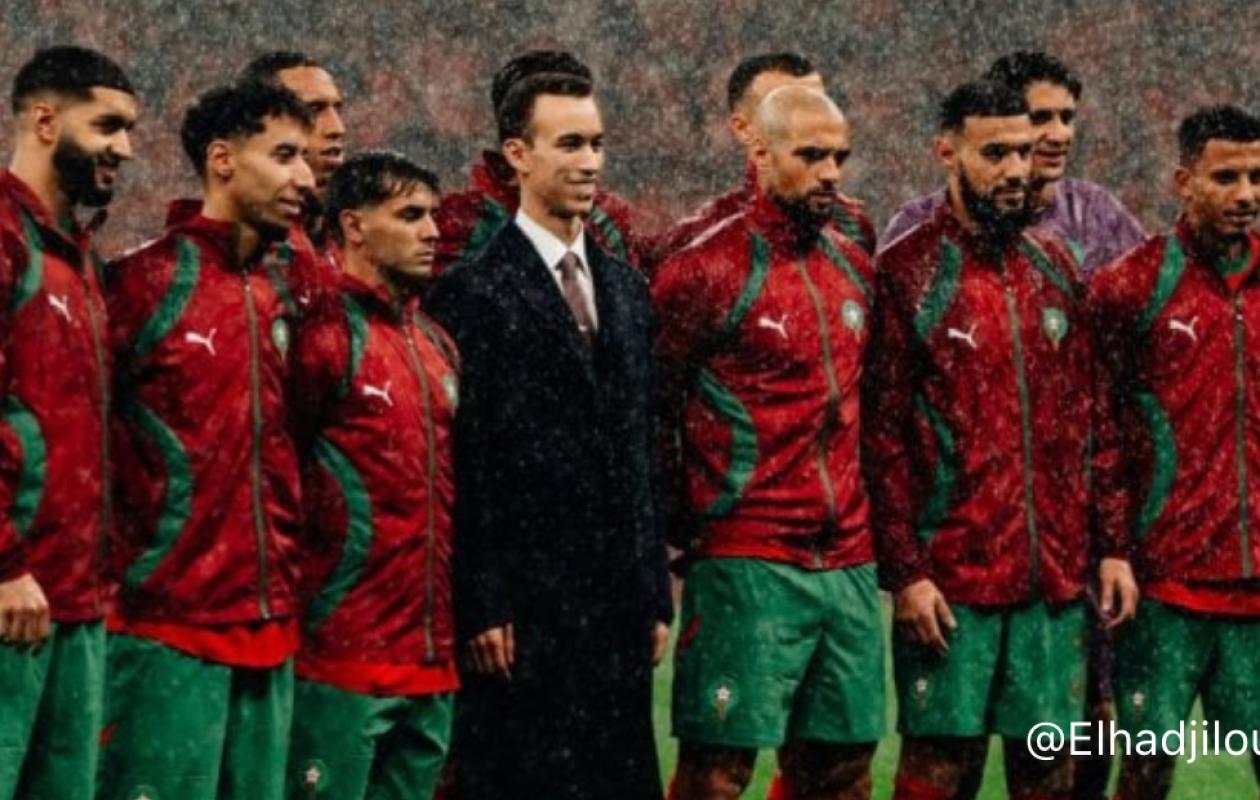
La presse espagnole nargue déjà le Maroc pour la finale de la Coupe du Monde 2030
The 2030 World Cup is already shaping up to be a unique project in the history of football. To celebrate the centenary of the competition, which began in 1930, FIFA has chosen an unprecedented format, entrusting it to three countries united by the same ambition. Morocco, Spain, and Portugal will host the majority of the tournament, while three opening matches will be held in South America to pay homage to the origins of the World Cup. On the shores of the Atlantic and the Mediterranean, preparations are already intertwined with symbolic rivalries. Each country hopes to host the biggest matches and, above all, the final, the ultimate jewel of a global tournament. In this parallel competition, two cities are attracting the most attention. Madrid and Casablanca appear as the two natural candidates for the big night of world football which will take place on July 21, 2030. Behind the diplomatic smiles and official declarations, the battle for image is slowly taking hold, driven by the respective federations, stadium projects and a sports press already attentive to the slightest sign of advantage or weakness.
But in the heart of the Iberian Peninsula, the organization of the World Cup is not progressing smoothly. Several Spanish cities have recently withdrawn from the bid due to the scale of the investments required by FIFA. Málaga and then La Coruña opted to pull out of the project, revealing the financial and logistical difficulties associated with modernizing the stadiums. At the same time, the image of Spanish football has been tarnished by several incidents in the stands. At Espanyol's RCDE Stadium, during a friendly match between Spain and Egypt, chants targeting Islam were heard from a section of the crowd. The incident provoked a strong reaction from the president of the Spanish Football Federation, Rafael Louzán, and reignited an already sensitive debate in the country. In recent years, several players, such as Vinícius Júnior, Kylian Mbappé, and Ansu Fati, have been victims of racist abuse in some stadiums. As the 2030 deadline approaches, these episodes fuel questions about the international image of Spanish football and the ability of the authorities to control the stands during an event of such magnitude.
Morocco has a goal but…
Faced with this turmoil, some of the Spanish sports press chose to highlight the country's historical strengths in organizing major events. The Madrid-based daily AS juxtaposed two images on Monday evening that encapsulate this silent rivalry between the Iberian Peninsula and Morocco. In Seville, the Copa del Rey final between Atlético de Madrid and Real Sociedad took place before more than 70,000 spectators in an atmosphere described as festive and perfectly controlled. A few days earlier, a European match between Real Betis and Sporting Braga had drawn thousands of Portuguese fans scattered throughout the city without causing any significant incidents. The Madrid press also cited other precedents that have bolstered the country's organizational reputation. The 2018 Copa Libertadores final between Boca Juniors and River Plate, hastily relocated to Madrid's Santiago Bernabéu, was successfully organized under internationally acclaimed security conditions. In these media narratives, Spain appears as a territory well-versed in major football events, accustomed to hosting huge crowds in a perfectly oiled machine.
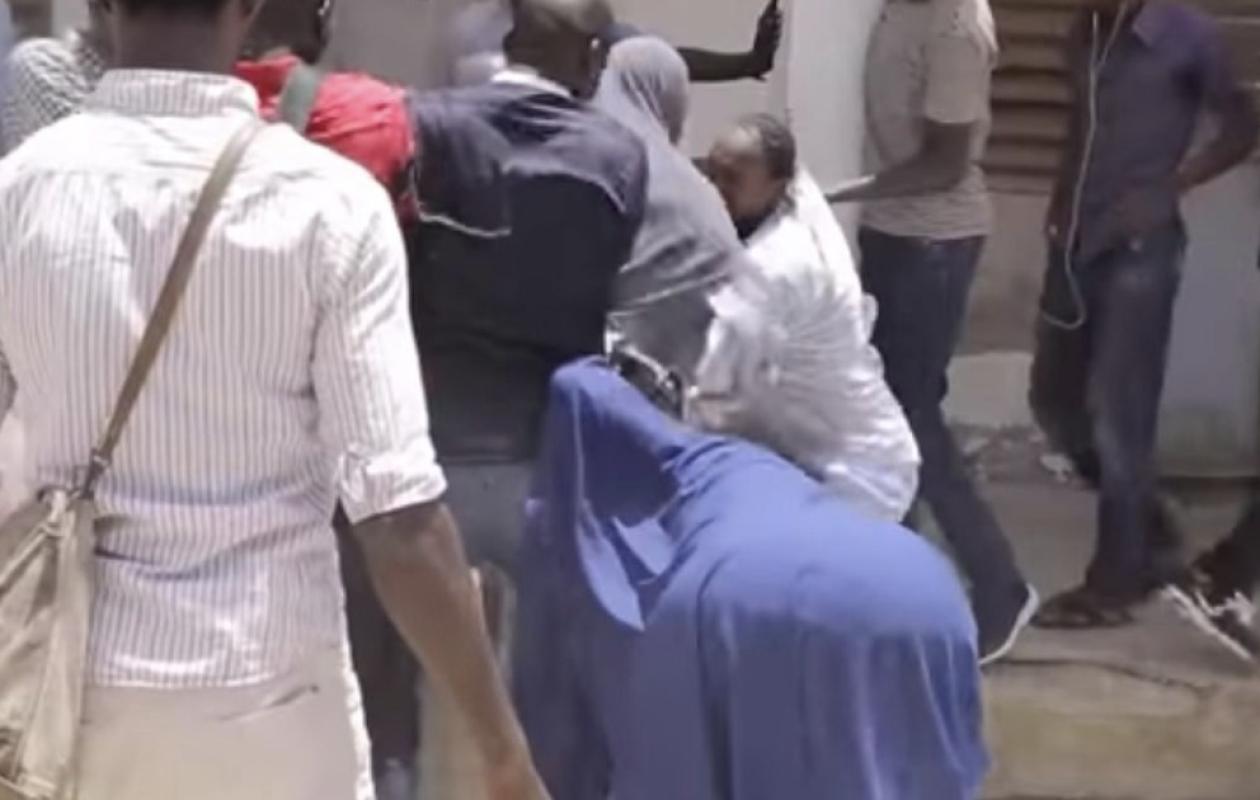
In this same comparison, some Spanish newspapers, including AS, also point to the recent difficulties encountered by events organized in Morocco. The 2025 Africa Cup of Nations final in Rabat between Morocco and Senegal was marred by tensions and an ongoing controversy that reached the Court of Arbitration for Sport in Lausanne. Other African matches have also experienced turbulent episodes, notably a continental match involving Olympic Safi and USM Alger, which reignited sporting and political tensions surrounding the pitch. Against this turbulent backdrop, the Madrid press emphasizes Spain's accumulated experience and the confidence FIFA places in it to host the World Cup final. Meanwhile, the planned grand stadium in Casablanca is preparing to be unveiled and fuels Moroccan dreams of a historic African final. Between the two sides, the rivalry remains discreet, but intense. In newspaper columns and behind the scenes at federations, the road to 2030 already resembles a long tale of prestige, symbols, and sporting rivalries, driven by the promise of a night of football that will go down in history.









Commentaires (6)
Participer à la Discussion
Règles de la communauté :
💡 Astuce : Utilisez des emojis depuis votre téléphone ou le module emoji ci-dessous. Cliquez sur GIF pour ajouter un GIF animé. Collez un lien X/Twitter, TikTok ou Instagram pour l'afficher automatiquement.