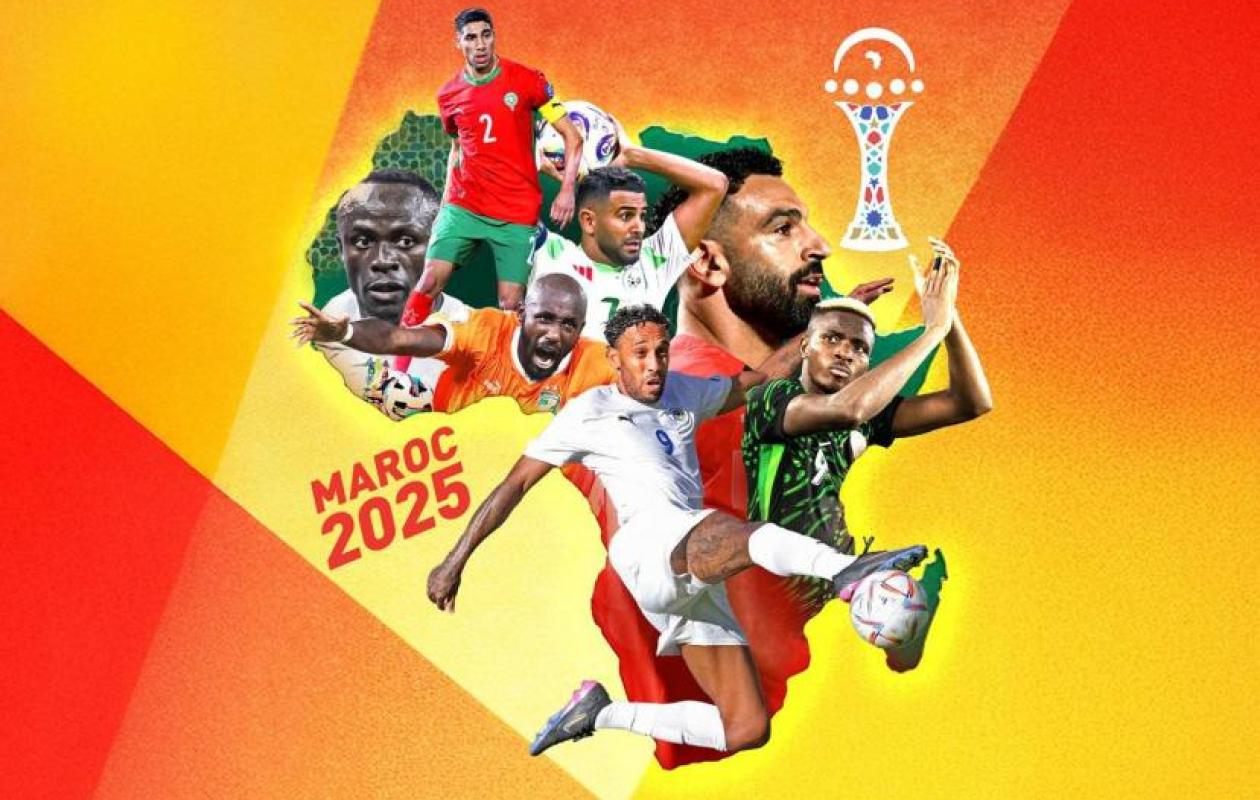
Prédictions, buzz et mysticisme : La CAN sous le regard inquiet des religions
One hundred million CFA francs to "bring home the Africa Cup of Nations." The promise, widely shared on social media, spread throughout West Africa. A Malian marabout claimed he could guarantee his country's victory in exchange for this sum. A few days later, the reality on the ground proved the prediction wrong.
At the same time, another mystical message was circulating in Senegal from a marabout named Bamba Djigue, announcing a victory for the Lions over all their opponents with a score of (3-0). Again, events quickly contradicted the prophecy.
These episodes, which went viral during the Africa Cup of Nations, illustrate the worrying rise of mystical speculation surrounding African football. Between miraculous promises, witchcraft, and pseudo-religious predictions, popular fervor becomes fertile ground for manipulation.
With each edition of the Africa Cup of Nations, the passion for football fills stadiums, homes, and especially social media. But this fervor is now accompanied by a worrying phenomenon: the proliferation of mystical predictions from certain "marabouts" or "prophets" who announce the tournament winner or various team predictions in advance, even before the first whistle blows.
But behind all this spectacle, the major religions are sounding the alarm. For both Islam and Christianity, these predictions are far from innocent and constitute a serious spiritual deviation.
Islam's firm stance against the predictions
In Islam, any attempt to predict the future is strictly forbidden. Oustaz Matar Sarr points out that this condemnation dates back to the time of the Prophet Muhammad (peace be upon him). "The Prophet clearly taught that no one, except God, knows the unseen. Even in his time, there were soothsayers and preachers of this kind, but he firmly rejected them," explains the imam.
According to him, when certain predictions turn out to be accurate, this in no way constitutes proof of legitimacy. "Some people make pacts with djinns. However, these creatures lie in the majority of cases. That's why most of their pronouncements are false," he emphasizes.
Imam Sarr also distinguishes another category of people very present on social media, "Others are not looking for truth or spirituality. They simply exploit the passion of Senegalese people for football and wrestling in order to earn money and buzz," he denounces.
From a religious perspective, the consequences are serious. "Consulting these predictions leads to the rejection of prayers for forty days. And believing in them takes the believer out of Islam. It's extremely serious," warns the imam.
The Catholic Church calls for faith and trust in God
The Catholic Church's position is equally clear. Father Joe Latyr reiterates that the Church, universal and guided by Christ, rejects all forms of divination and occult practices. "Christians do not need to use dark forces to hope for success. Our faith rests on trust in God," the priest affirms.
And in the sporting arena, the Church favors a healthy spiritual approach. "We encourage players to pray, to download the AELF app which will allow them to pray at any time and to read the Bible, to have faith, each according to their religious conviction. Some may request Masses or confide in God in moments of doubt," he explains.
For the priest, occult practices constitute a dangerous illusion. "They guarantee neither victory, nor salvation, nor well-being. On the contrary, they distance man from God and from what is essential," he insists.
Social media: a breeding ground for abuses
According to the two religious leaders, social media amplifies the phenomenon. The quest for visibility and likes pushes some to present themselves as possessors of spiritual knowledge, blurring the line between faith, superstition, and manipulation.
Imams and priests are therefore calling on the faithful to be vigilant and discerning, to check sources and not to confuse religion with speculation.
A common message in the face of popular fervor
Despite their differing traditions, Islam and Christianity share a common message: predicting the future through occult means is incompatible with faith. Amidst a climate of intense sporting fervor, imams and priests are calling for responsibility, discernment, and a return to authentic spirituality.
Beyond sport, these stances remind us that victory and defeat are a matter of destiny and human effort, and that only God remains master of the future.
![[EXCLUSIF] Affaire Pape Cheikh Diallo : Enseignant, traiteur, vigile... la liste des arrestations s'allonge](https://image.seneweb.com/content/news/2026-16-15//thumb_1260x800_69dfbc6b83024_8exwDmFZNa.jpg)










Commentaires (3)
Participer à la Discussion
Règles de la communauté :
💡 Astuce : Utilisez des emojis depuis votre téléphone ou le module emoji ci-dessous. Cliquez sur GIF pour ajouter un GIF animé. Collez un lien X/Twitter, TikTok ou Instagram pour l'afficher automatiquement.