Sénégal au Mondial-2026 : Anatomie d'un échec programmé
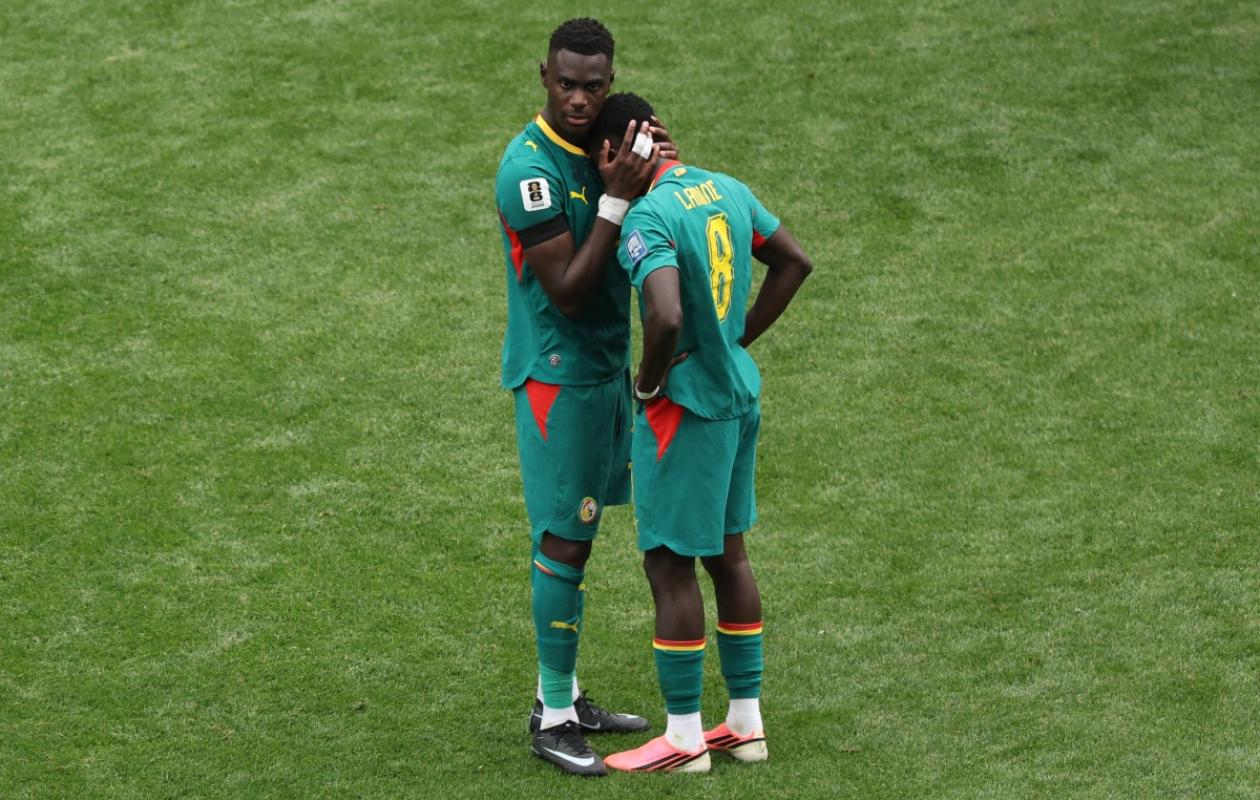
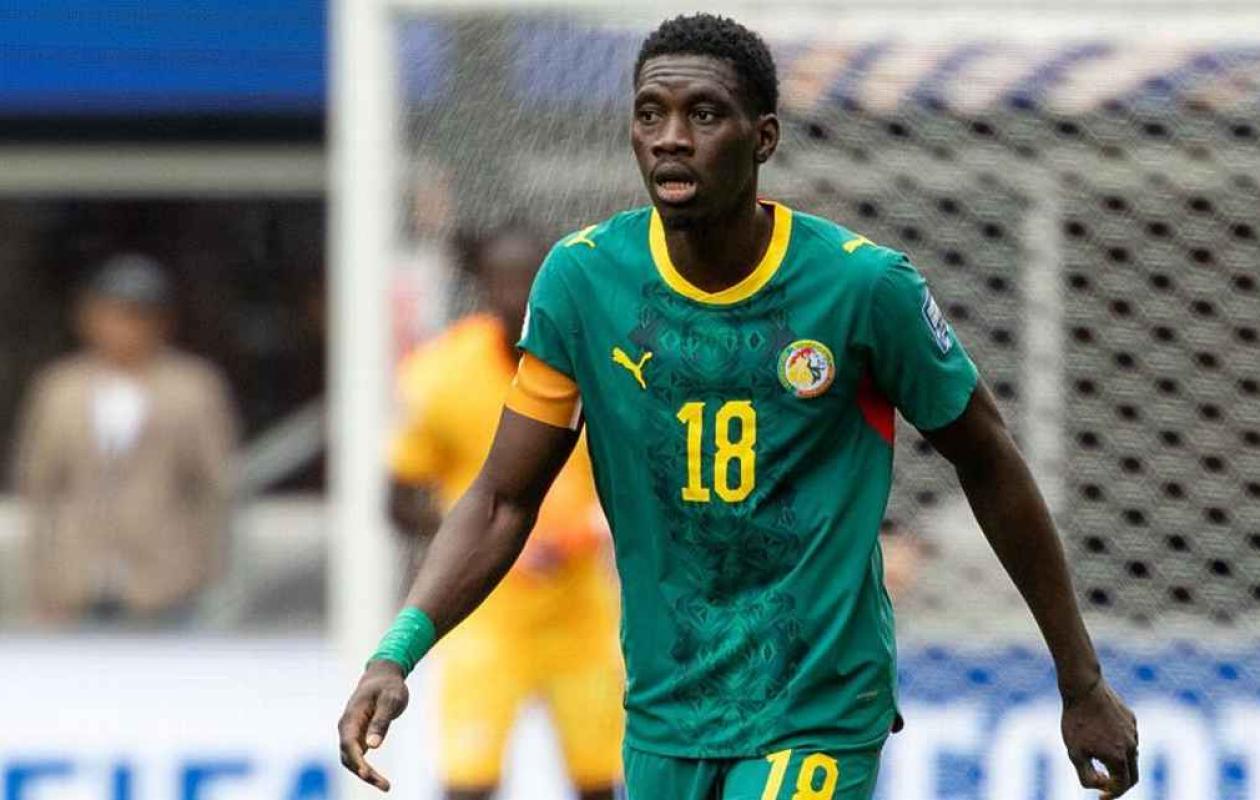
Senegal's premature elimination from the 2026 World Cup, following a stunning defeat against Belgium, continues to raise many questions. While the sporting outcome was cruel, the difficulties that led to this failure were evident well before the tournament began. Between administrative dysfunctions, internal tensions, management problems, and financial controversies, the Lions of Teranga's campaign in the United States now resembles the chronicle of a fiasco foretold.
The first signs of trouble appeared several days before the delegation's departure for the United States. The late publication of the list of selected players, accompanied by much speculation, had already fueled concerns.
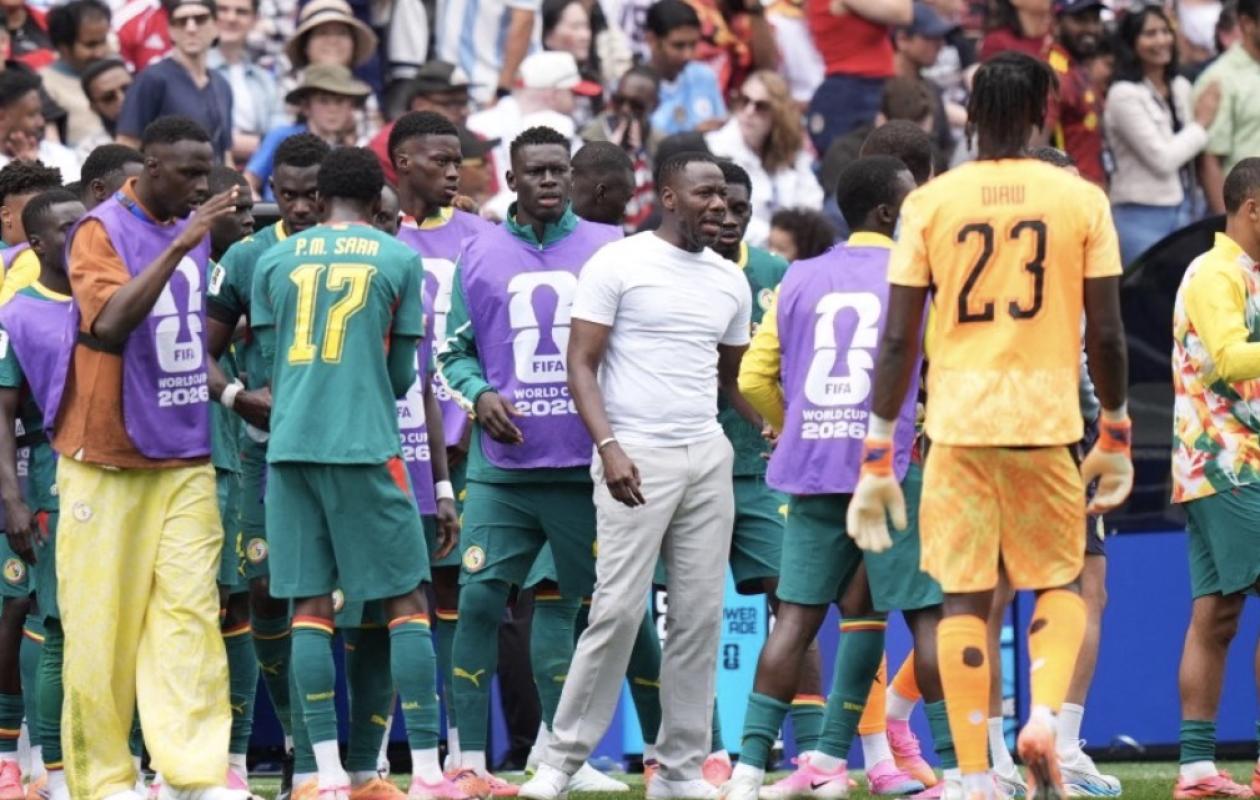
The situation worsened when coach Pape Thiaw, whose contract had still not been finalized after several months of discussions, reportedly refused to board the plane without guarantees about his situation. Initially, the Senegalese Football Federation (FSF) cited a simple flight delay, an explanation that quickly fell apart in light of the revelations.
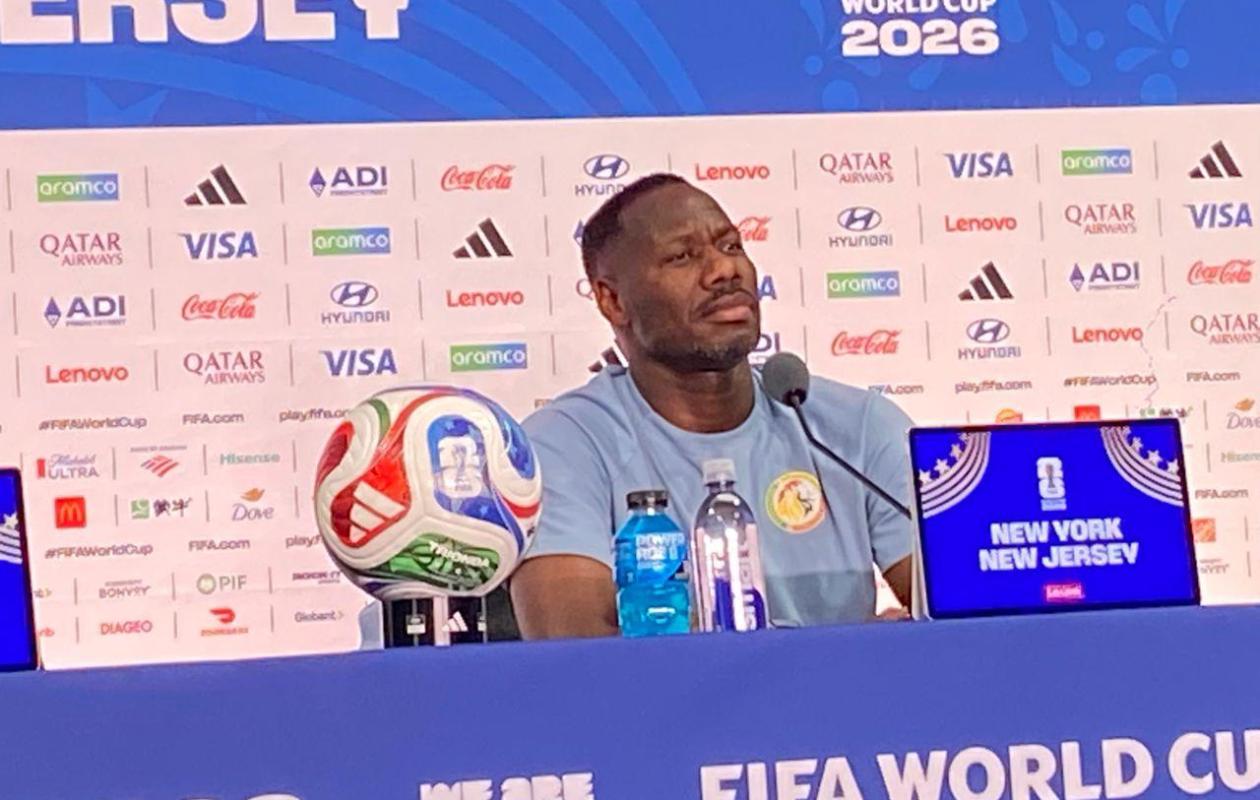
Facing the media, the technician eventually acknowledged the existence of tensions:
“It’s true that there are some issues, but whether it’s the players, myself, the staff or the Federation, we are focused on tomorrow’s match. The contract is settled. It took too long. My problem has never been about money, but about principle and respect,” Pape Thiaw had declared.
This public statement confirmed the existence of much deeper difficulties than official communication had suggested.
A disrupted preparation and contested choices
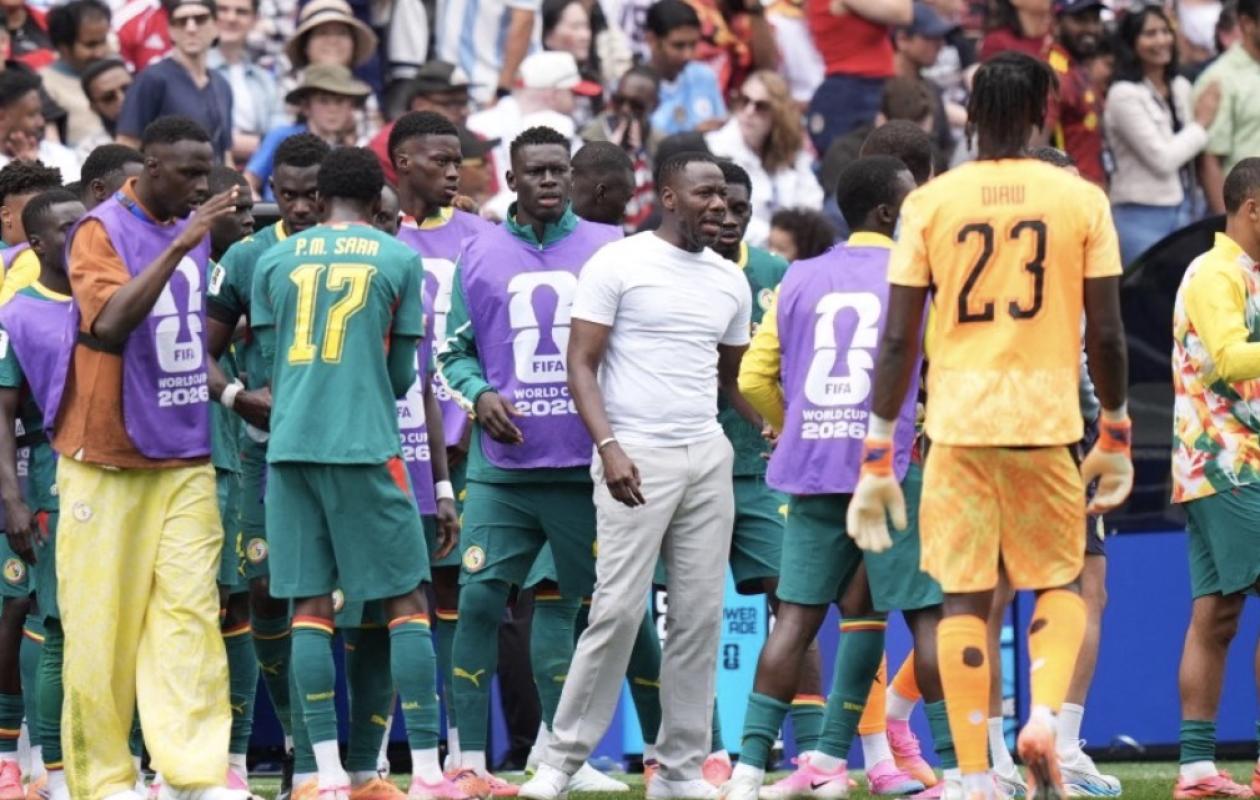
Once in the United States, serenity never returned. Beaten (3-2) by the host country in their first friendly match, the Lions continued their preparation in an already tense atmosphere.
The coach had to reduce his squad before the start of the competition. Officially, Ilay Camara and Moustapha Mbow have left the team. But several sources claim that this decision was made in a particularly tense atmosphere.
According to journalist Yoro Mangara, Pape Thiaw had initially summoned Chérif Ndiaye and Moustapha Mbow to inform them that they would not be part of the final list.
"Chérif Ndiaye messed up after he and Moustapha Mbow were summoned by Pape Thiaw to be informed of their departure," the journalist revealed.
According to this version of events, the coach then gathered several key players, including Sadio Mané, Idrissa Gana Gueye, and Kalidou Koulibaly, before reversing his decision regarding Chérif Ndiaye. Ndiaye was ultimately kept in the squad, while Ilay Camara was dropped. This episode illustrates the difficulties in managing the locker room and suggests that the decision-making was influenced by circumstances rather than a clearly defined strategy.
A competition held in a climate of crisis
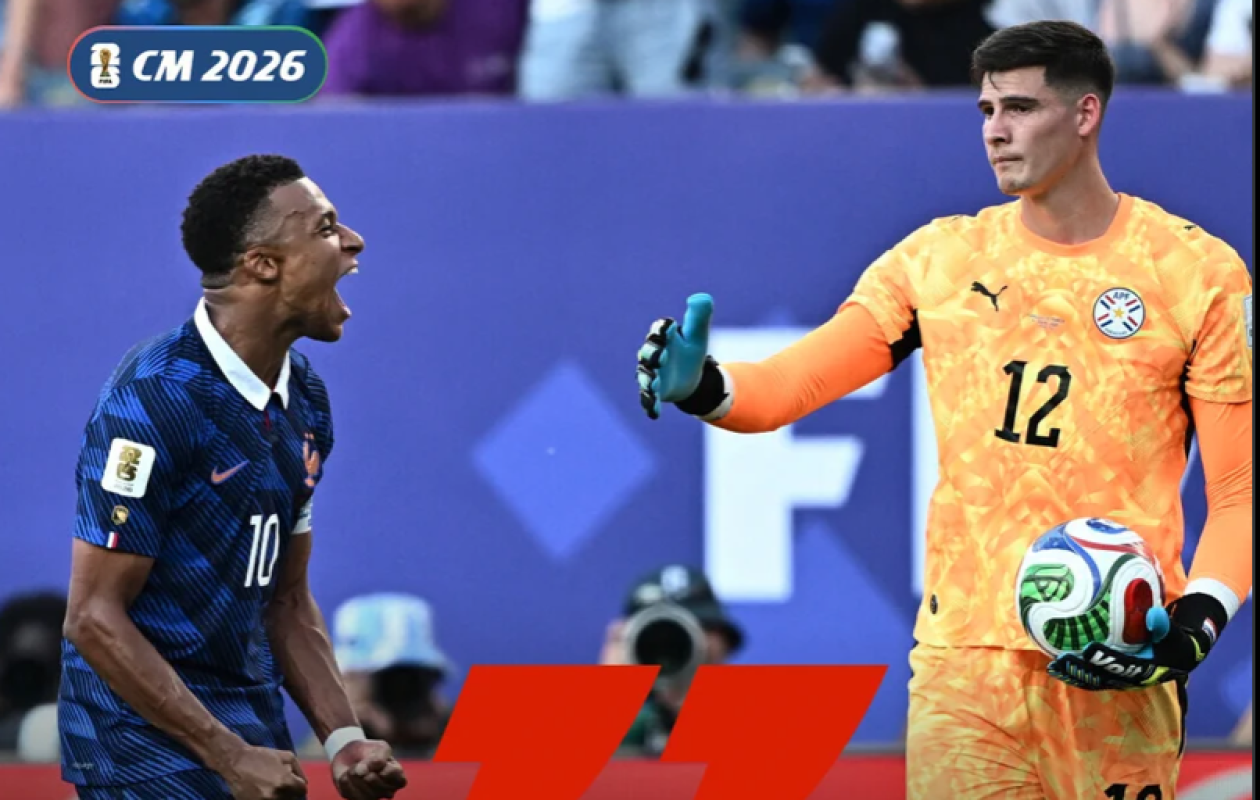
On the field, Senegal began with a predictable defeat against France (3-1), the tournament favorites. But even before the crucial match against Norway, a new and sensitive issue arose to disrupt their preparations: the question of bonuses.
According to Sport News Africa, several players were still waiting for the payment of bonuses promised after their performance at the Africa Cup of Nations and their qualification for the World Cup. This delay reportedly caused significant tension within the team.
Adding to this financial frustration were criticisms regarding the accommodation conditions. The hotel chosen as their base camp in the United States was deemed far below the standards a team of this caliber could expect. Privately, several international players reportedly expressed their incomprehension, pointing out that the Federation had mobilized significantly more resources a few months earlier for the 2025 Africa Cup of Nations in Tangier.
Despite this particularly difficult context, the Lions managed to secure their qualification for the knockout stage. But the defeat against Belgium ultimately highlighted all the weaknesses that had been undermining the team for several weeks.
The revelations are multiplying, and the time for reckoning has come.
Since the elimination, reports of internal tensions have continued to pour in. Following the alleged disagreements between Pape Gueye and certain federation officials, other sources report deep divisions within the Senegalese Football Federation itself, where several leaders are said to have conflicting relationships. These new revelations paint a picture of an institution weakened by internal disputes, at a time when the national team needed a stable environment to succeed at the World Cup.
Having been crowned African champions in Morocco, the Lions approached this World Cup with high hopes. Their early elimination is therefore a huge disappointment for an entire nation.
Beyond the sporting shortcomings observed against Belgium, this campaign primarily highlights structural dysfunctions in the governance of the national team. The coach's management, the Federation's communication, contractual issues, bonus disputes, logistical choices, and internal tensions have gradually created an environment incompatible with high-level performance.
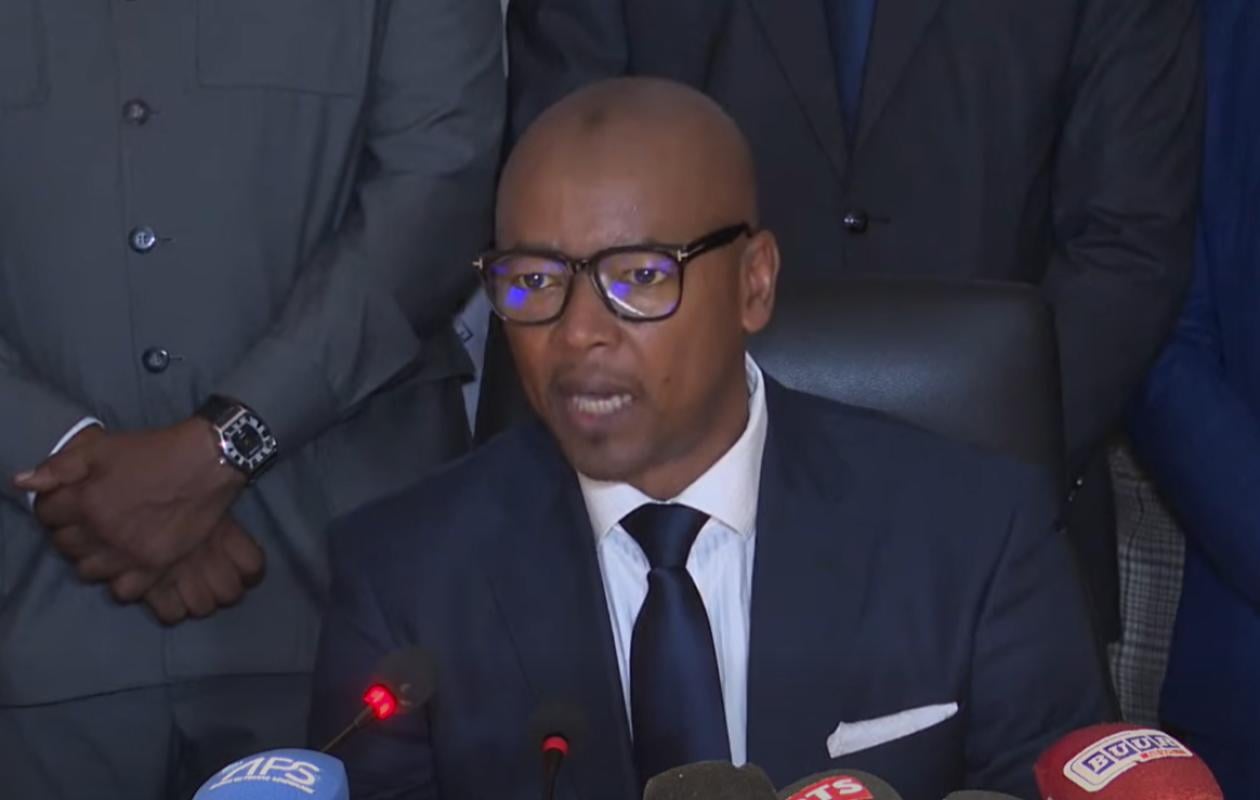
The outcome of this 2026 World Cup will therefore be particularly anticipated. The leaders of the Senegalese Football Federation (FSF) will have to provide clear answers to the authorities, but also to Senegalese fans, to explain how a team touted as a contender for a historic run ultimately exited the competition in such a climate. For while Belgium delivered the final blow on the pitch, the true causes of the elimination appear to have taken root well before the first whistle of the World Cup.








Commentaires (20)
Participer à la Discussion
Règles de la communauté
💡 Astuce : Utilisez des emojis depuis votre téléphone ou le module emoji ci-dessous. Cliquez sur GIF pour ajouter un GIF animé. Collez un lien X/Twitter, TikTok ou Instagram pour l'afficher automatiquement.
Se connecter
Commentez avec votre profil, votre photo, et soyez averti des réponses.