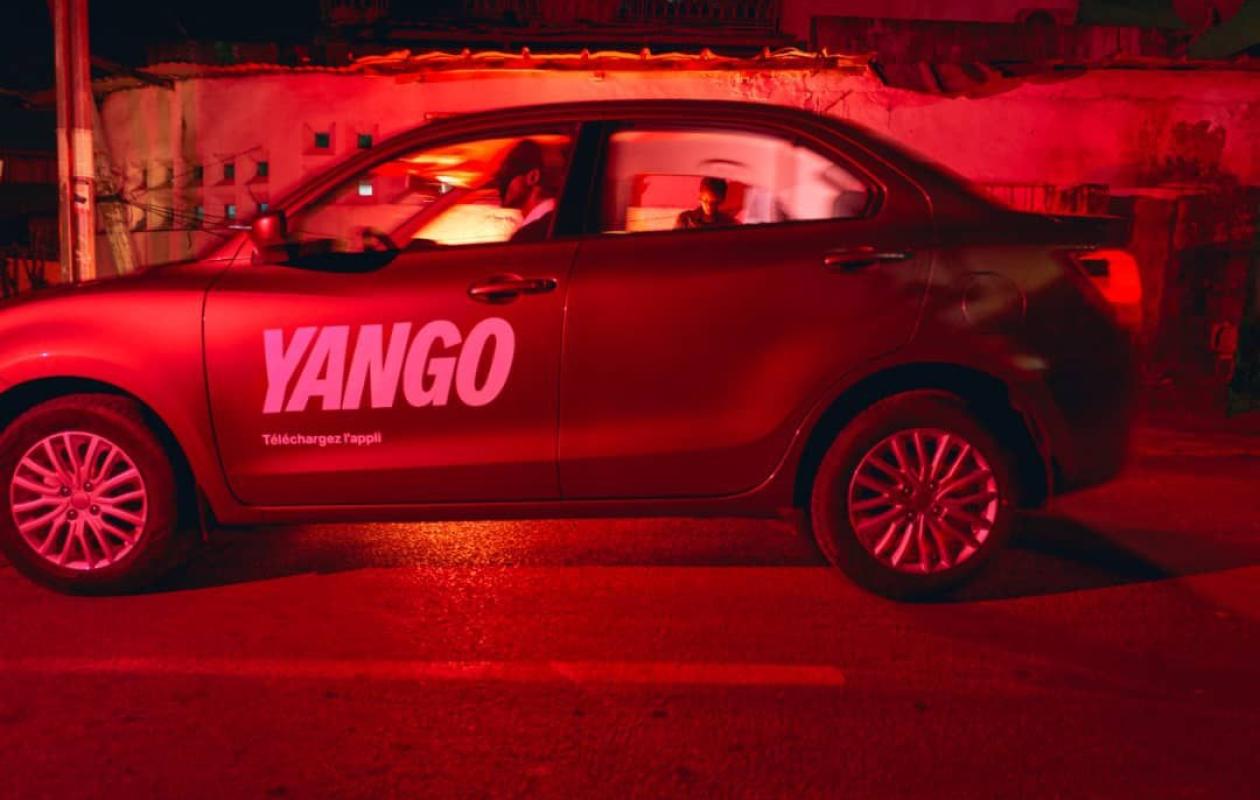
Se déplacer la nuit à Dakar : une question de sécurité et de confiance
In Dakar, the challenges of getting around at night are numerous and sometimes cause concern, especially due to the reduced availability of public transportation late at night. When the streets empty and transportation options become scarcer, some residents, particularly students, workers, and women, feel a sense of apprehension. At night, the city seems to close its doors and becomes a restricted space-time where freedom of movement is limited.
After a certain hour, the transport system slows down or stops. Aminata, an undergraduate student, recounts how trying these moments can be for a young woman: “ Walking home alone at night has always been a source of stress for me. One evening, leaving my evening classes around 11 p.m., there were no more buses and taxis were scarce. I had to walk for several minutes in a poorly lit, almost empty street, looking behind me with every step .”
Public transport and taxis form the backbone of urban mobility, but their availability varies depending on the time of day and the neighborhood. The Bus Rapid Transit (Sunu BRT), which began operating on May 15, 2024, has supplemented the urban transport network with higher frequencies during peak hours, but with limited service in the late hours. Service density decreases throughout the night, and journeys seem longer, with increased waiting times and costs. The middle of the night (1:30 a.m. to 4:30 a.m.) is the least active period, when public transport is scarce and taxis operate at variable fares, sometimes surprising to passengers.
Mobility remains an essential condition for fully participating in urban life, day and night. To meet this need, new services are multiplying, combining various solutions (distance-based pricing, digital platforms, etc.).
Private hire vehicles (PHVs) have become established in nighttime mobility, available at any time and enhancing comfort and safety through driver identification, GPS tracking and route sharing with a loved one, which is particularly reassuring for students and people returning late, allowing their loved ones to follow their journey.
Mamadou, a night driver at a clinic, says: “ I finish my shift at 2 a.m. and I didn’t have a safe way to get home. With a ride-hailing service, I can track my journey and know that the driver is vetted. I can get home peacefully after a long night of work .”
In Dakar, where nightlife has become increasingly vibrant, residents are looking for reliable, transparent, and accessible solutions. As a Yango representative explains, " Security should never be optional. Our goal is to allow everyone to return home safely, even when the city goes to sleep ."
By complementing the existing services and offering structured and accessible options, ride-hailing services help make nighttime travel simpler and safer. Perceptions of nighttime transportation are changing, and Dakar is gradually becoming a city where getting around after dark is more comfortable for everyone.






















Commentaires (4)
Participer à la Discussion
Règles de la communauté :
💡 Astuce : Utilisez des emojis depuis votre téléphone ou le module emoji ci-dessous. Cliquez sur GIF pour ajouter un GIF animé. Collez un lien X/Twitter, TikTok ou Instagram pour l'afficher automatiquement.