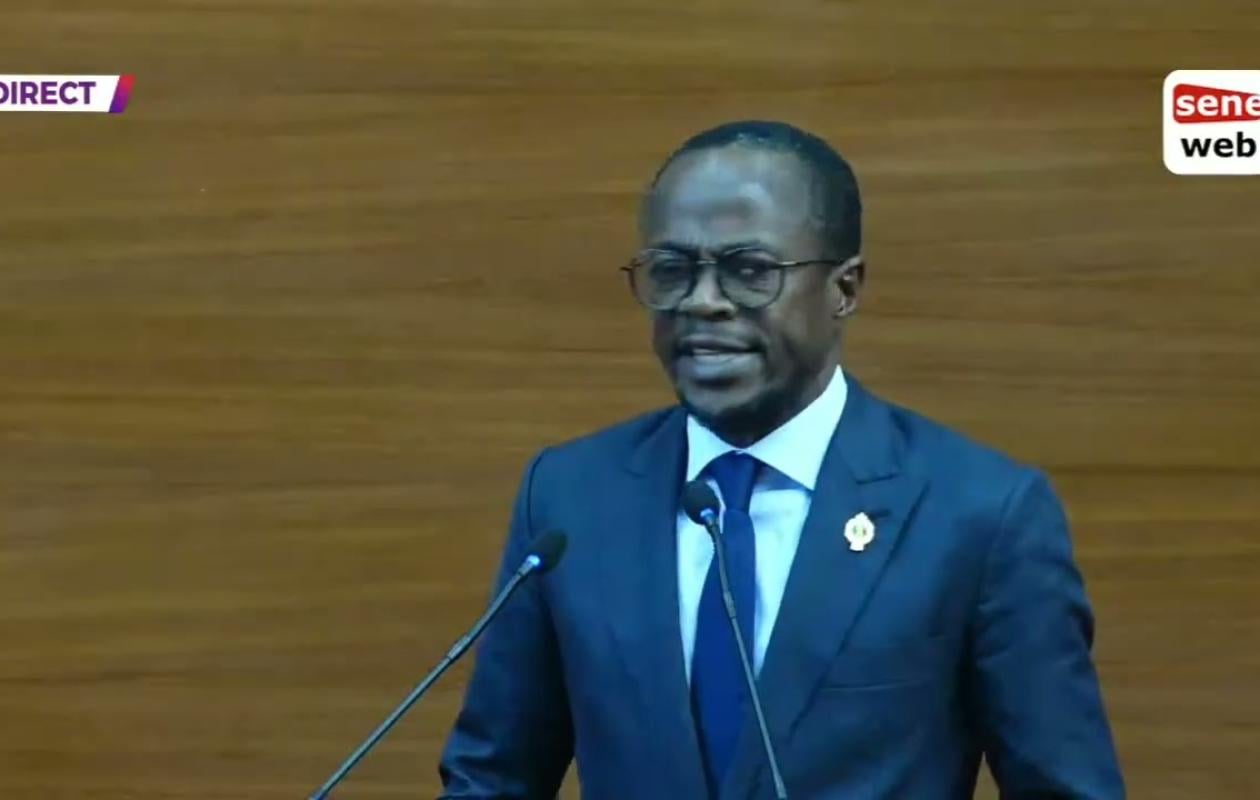
« Diomaye Faye a manqué de courage » : Le réquisitoire d'Abdou Mbow à l'Hémicycle
Tempers flared in the National Assembly on Tuesday during the examination of bill no. 11/2026 amending the Electoral Code. Opposition MP Abdou Mbow strongly denounced the move, which he described as an "unprecedented break with Senegal's democratic traditions."
From the outset, the parliamentarian made a stark observation: in his view, no reform of the Electoral Code had ever been adopted without prior dialogue and a search for consensus among political actors. He thus accused the majority of using its numerical strength to impose a controversial text, disregarding the spirit of consultation which, in his opinion, has always prevailed in the country's political history.
For Abdou Mbow, this reform marks a worrying turning point. He believes that the method used undermines an electoral process built up over decades by different generations of political actors. "You are dismantling what your predecessors patiently built," he essentially warned, pointing to a challenge to the inclusiveness of the Senegalese electoral system.
A "politically motivated" reform
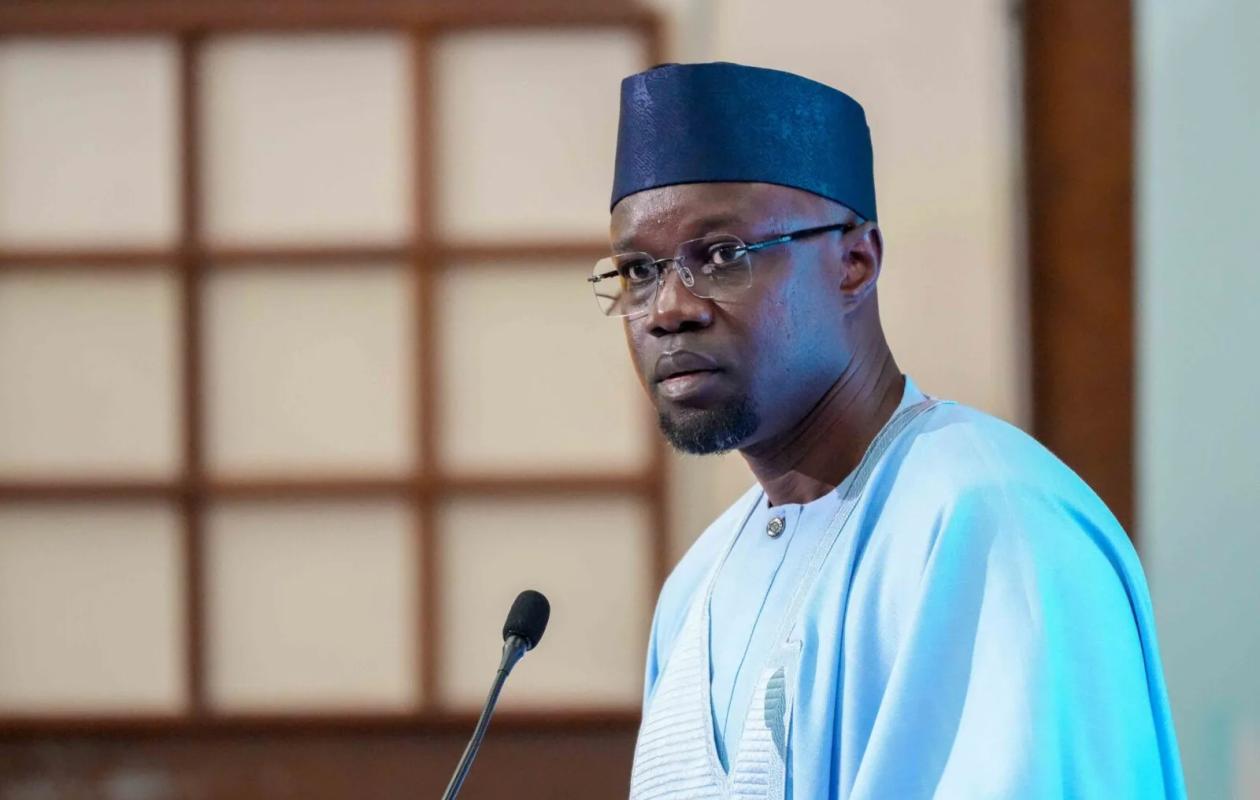
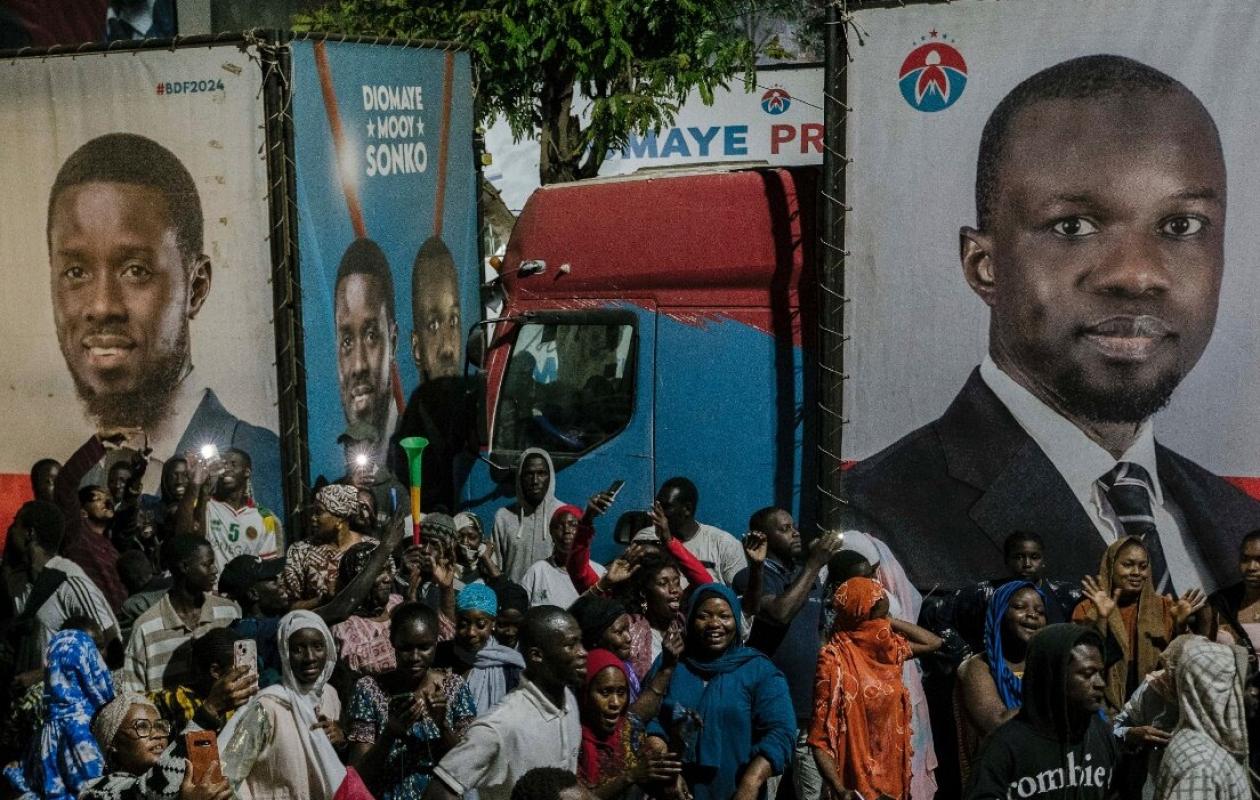
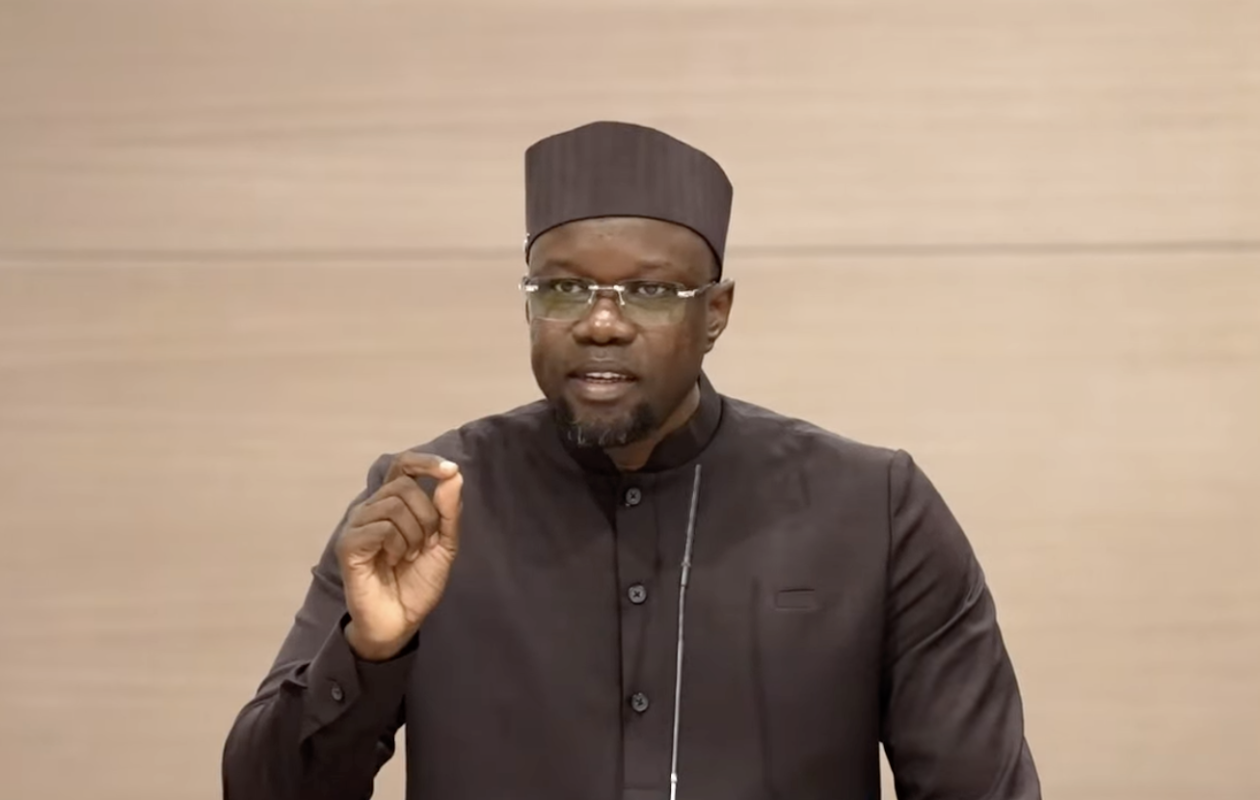
Beyond the method, the MP attributes a clear political intention to this initiative. According to him, the text is "tailor-made" to pave the way for Ousmane Sonko's candidacy in the 2029 presidential election, whom he describes as the "spiritual guide" of the majority. "History will judge," he declared to the MPs of the ruling coalition, in a warning that was both political and symbolic.
The head of state is being questioned
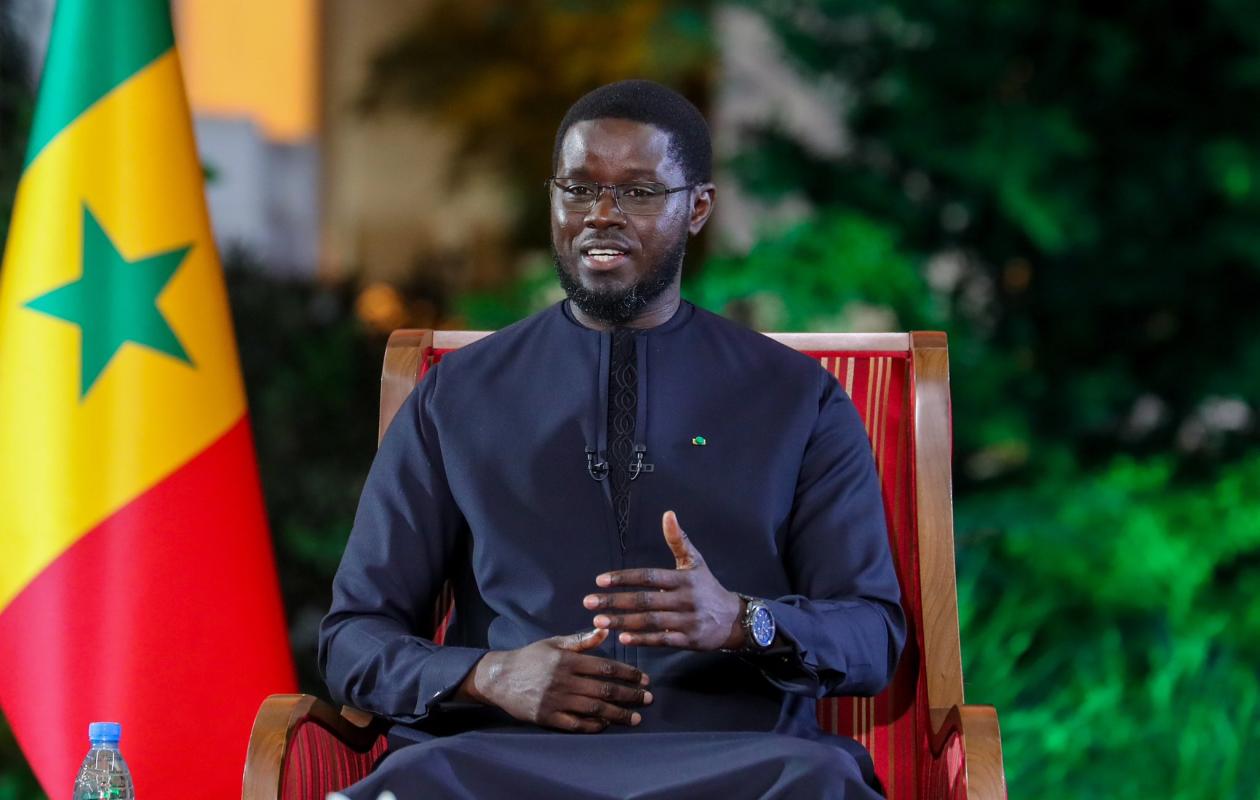
In his speech, Abdou Mbow did not spare President Bassirou Diomaye Faye. He criticized him for not clearly expressing a position contrary to the text, arguing that this silence amounted to tacit approval. "He lacked courage," he asserted. According to the MP, this attitude makes the head of state an "accomplice" in what he calls "electoral fraud."
Abdou Mbow then broadened his criticism to include other ongoing institutional reforms, particularly those concerning the Constitutional Council, the introduction of the single ballot, and the planned changes to the electoral commission. He considers these reforms out of step with Senegal's democratic trajectory, comparing them to contexts of political transition or post-crisis recovery, such as those observed in some countries after coups d'état or national conferences. "This is not our history," he insisted, noting that Senegal has never experienced such institutional upheavals.









Commentaires (5)
Participer à la Discussion
Règles de la communauté
💡 Astuce : Utilisez des emojis depuis votre téléphone ou le module emoji ci-dessous. Cliquez sur GIF pour ajouter un GIF animé. Collez un lien X/Twitter, TikTok ou Instagram pour l'afficher automatiquement.
Se connecter
Commentez avec votre profil, votre photo, et soyez averti des réponses.