
Finances publiques : Pourquoi le recouvrement des fonds détournés ne réglera pas l’urgence de la dette
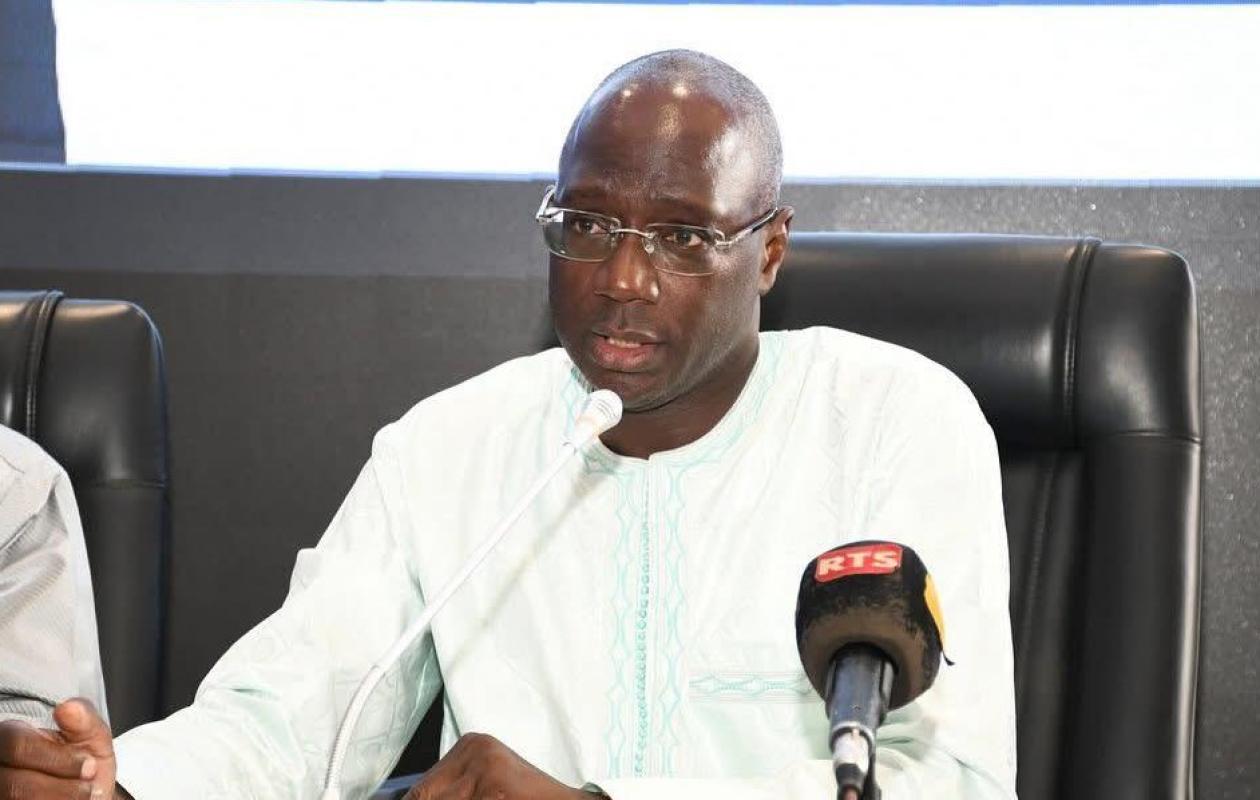
The debate surrounding the state of Senegal's public finances is intensifying. Faced with the prospect of budgetary adjustments or restructuring, a large segment of public opinion believes the state should prioritize recovering stolen assets before demanding sacrifices from its citizens. Professor Amath Ndiaye, an economist at FASEG-UCAD, considers this popular demand legitimate. However, the academic urges clear-sightedness and calls on the political class and citizens alike to "distinguish between the demands of justice and good governance and the financial management constraints the state currently faces."
The trap of temporality and the asymmetry of figures
The first pitfall of a strategy solely focused on accountability lies in the time frame of the legal process. Investigations and international recovery procedures generally extend over several years, whereas "budgetary difficulties and debt repayment deadlines are immediate."
Beyond the time factor, the sheer scale of Senegal's debt invalidates the idea of a complete settlement through the fight against corruption alone. With a total outstanding amount that "currently stands at around 24 trillion CFA francs," the potentially recoverable sums will mathematically remain "completely disproportionate to the magnitude of the State's financial commitments."
The economist also points out that it is technically wrong to reduce the debt to systemic corruption: a massive part of this outstanding debt has financed concrete infrastructure (TER, BRT, roads, hospitals, universities) as well as energy and food subsidies to preserve the purchasing power of households.
An ethical and financial obligation towards creditors
For the UCAD expert, financial pragmatism is coupled with an imperative of republican duty. International donors and markets "will not wait for the outcome of legal proceedings to demand adherence to the agreed deadlines." Any payment delay would permanently damage Senegal's reputation. Amath Ndiaye therefore emphasizes the sanctity of the State's commitments: "Respecting one's word and commitments is one of the cornerstones of a nation's credibility."
In conclusion, the economist argues for a break with the binary thinking that opposes the reform of public finances and criminal justice. These two areas are not mutually exclusive but rigorously interdependent. "The fight against corruption, the recovery of embezzled funds, budgetary adjustment, and debt management are therefore not competing solutions. They are complementary actions that must be carried out simultaneously," he insists.














Commentaires (1)
Participer à la Discussion
Règles de la communauté :
💡 Astuce : Utilisez des emojis depuis votre téléphone ou le module emoji ci-dessous. Cliquez sur GIF pour ajouter un GIF animé. Collez un lien X/Twitter, TikTok ou Instagram pour l'afficher automatiquement.