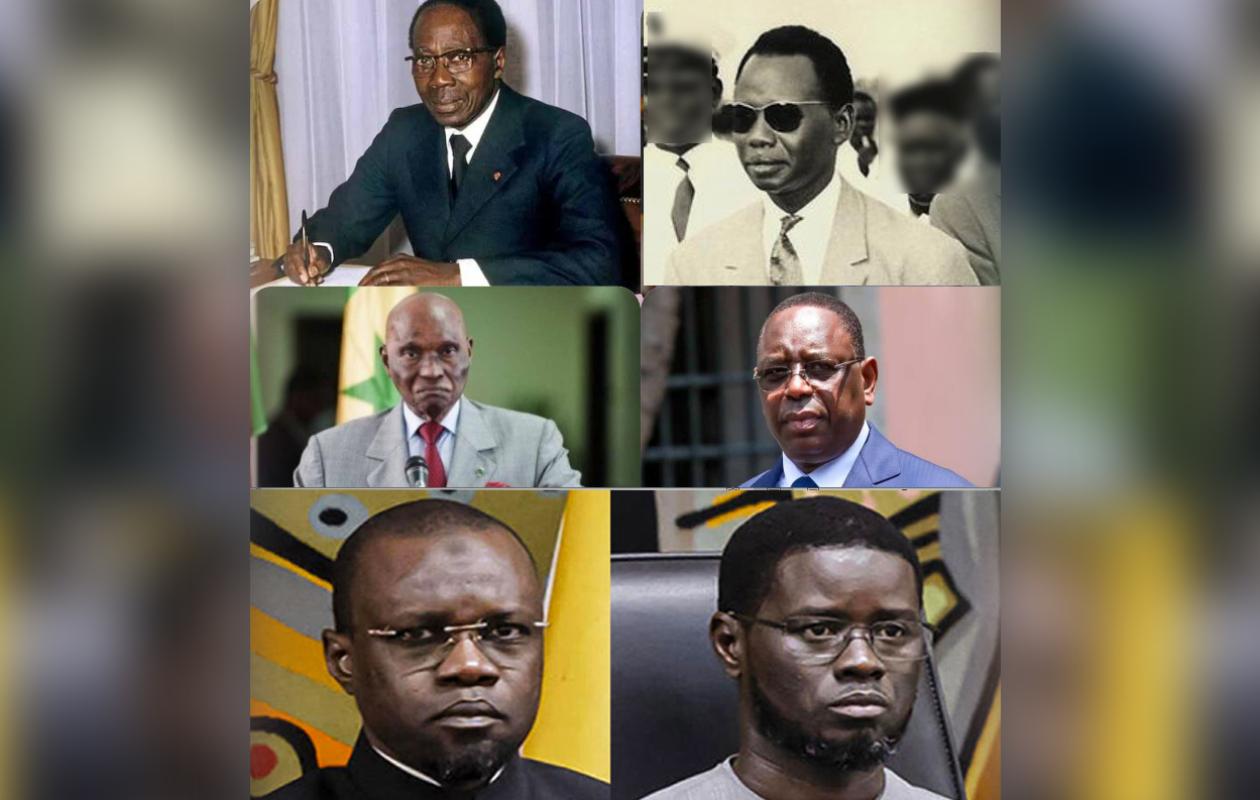
La malédiction de la dyarchie ou l'inévitable parricide politique
In a striking mirroring of history, the duo at the top of the Senegalese state now seems to be haunted by the demons of duality. From Senghor to Diomaye, via Wade and Sall, presidential power in Senegal confirms a golden rule as cruel as it is immutable: in the confines of the presidential chair, there is room for only one man.
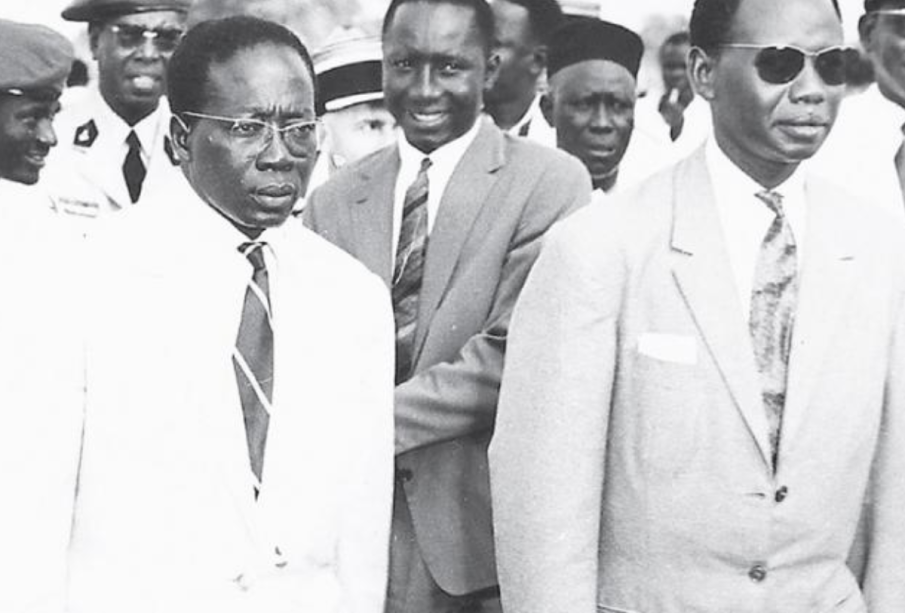
The solitude of power
The political history of Senegal could be written as a long treatise on rupture. The pattern is almost ritualistic: a charismatic leader chooses, molds, or anoints a loyal "number two," destined to secure his legacy. But once the anointing of power is received, the republican mystique undergoes a metamorphosis. The "heir apparent" becomes the "Master," and the mentor, once indispensable, suddenly becomes the cumbersome relic of a bygone era.
From a peaceful transition to political parricide
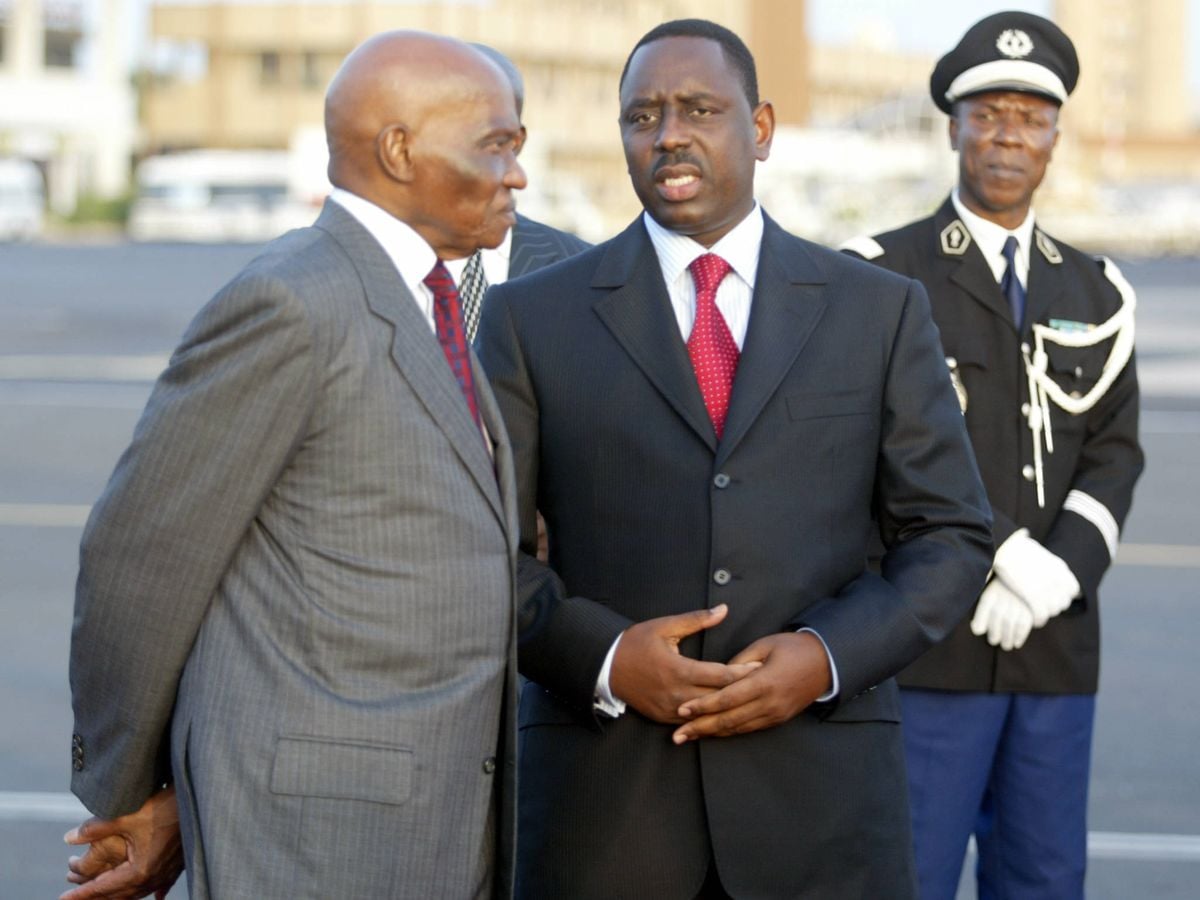
Abdou Diouf was the first to theorize this emancipation. Beneath the veneer of continuity, he methodically dismantled the Senghorian apparatus to impose his own brand. Later, the break between Abdoulaye Wade and Macky Sall was more direct. Wade attempted to politically humiliate his "son" to protect his own ambitions; he only succeeded in forging his opponent's presidential destiny, transforming a lieutenant into an electoral executioner.
The counter-example of Idrissa Seck: When the mentor breaks the protégé
However, attempts at patricide are not always successful. The case of Idrissa Seck against Abdoulaye Wade in 2007 remains the exception that proves the rule of the "Number One's" omnipotence. Unlike Macky Sall, Idrissa Seck sought to hasten the patriarch's downfall while the latter still held a firm grip on the levers of power. By directly challenging Wade, Seck underestimated his mentor's resilience. The result: he was soundly defeated at the polls. This duel proved that if the heir apparent fails to symbolically kill the father at the opportune moment, the father ultimately devours his political son, condemning him to a perpetual second-in-command existence.
The Diomaye-Sonko case: The end of the merger?
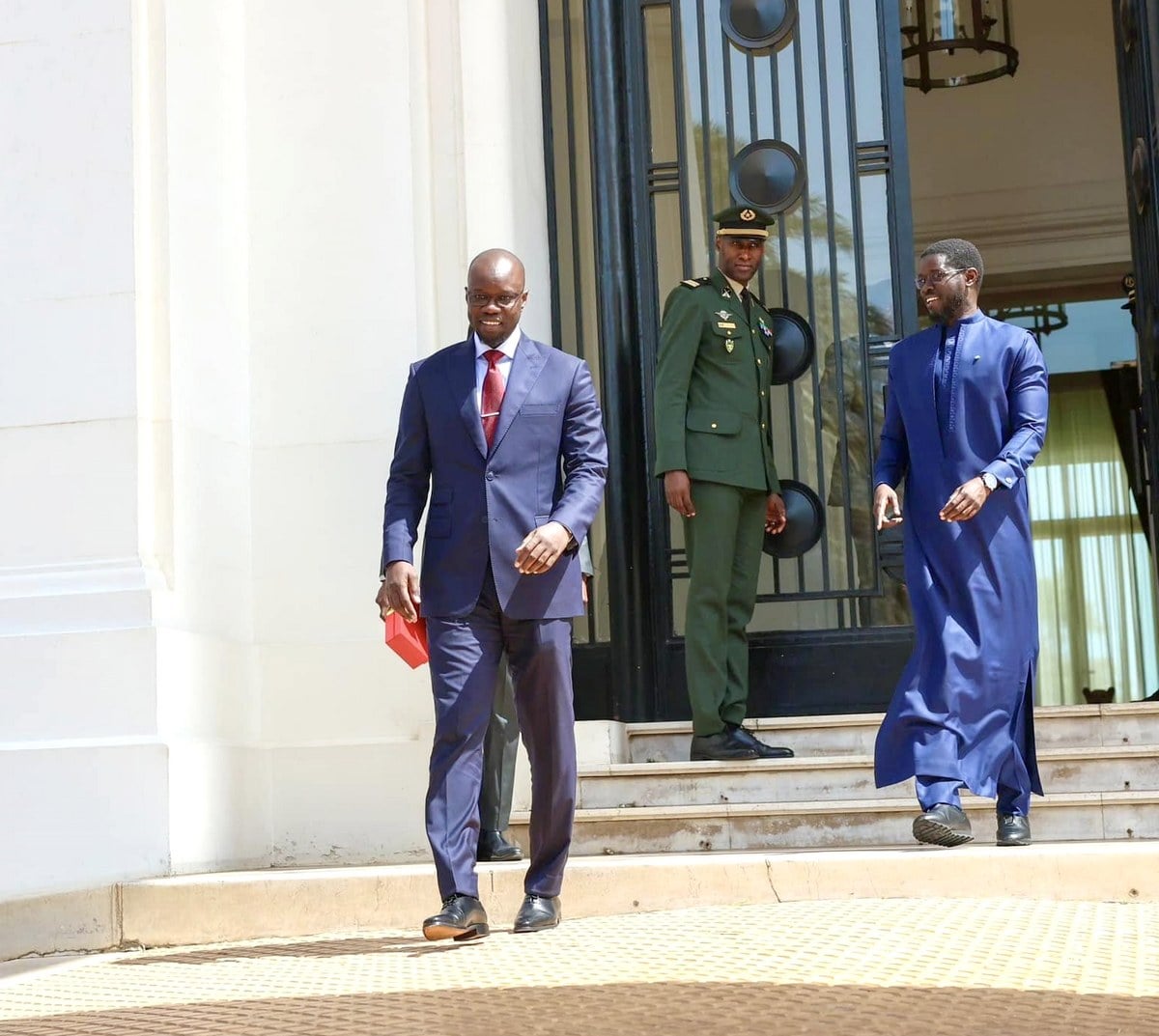
The current case of Bassirou Diomaye Faye and Ousmane Sonko is perhaps the most fascinating. Unlike their predecessors, this duo emerged from the pain of repression. The slogan "Diomaye moy Sonko" was a marketing feat, but remains an institutional aberration.
Today, the observed cracks, particularly the President's strategic alliance with figures like Aminata Touré and the support of strong personalities like Abdourahmane Diouf, mark the birth of a true "Diomaye Presidency." By surrounding himself with high-profile figures, the Head of State seeks to break the partisan glass ceiling and emerge from the tutelary shadow of his Prime Minister.
The clash of projects: A battle for influence
However, unlike past breaks, the patricide has not yet been consummated. The battle intensifies this April 2026. On the political scene, former mentor Ousmane Sonko seems to maintain control by locking down the PASTEF apparatus.
The recent episode of competing draft bills on electoral code reform illustrates this duality. On one side, the PASTEF parliamentary group is pushing for a text aimed at strengthening the civic rights of its leader. It should be remembered that, despite past legal troubles, Ousmane Sonko remains eligible to run for office and to vote, as evidenced by his participation in the last two elections held in the country. On the other side, the Presidency is proposing a text that appears to rebalance power in favor of the executive branch.
This confrontation in the legislative arena demonstrates that the struggle for control of the "Project" has begun. Who will win? The "Institutional President" or the "Activist Leader"?
The curse of the shadow
Senegal may be witnessing the final act of this shadow play. If the break is confirmed, it will prove that the Senegalese presidential regime, by its quasi-monarchical nature, tolerates no dual leadership. The successful "number twos" are those who accept the symbolic death of their mentor.
The question is no longer whether the rift exists, but whether the Senegalese political system will one day be able to produce a partnership capable of coexisting without destroying each other. For now, history teaches us that power is not shared, it is wielded. And often, it is wielded against those who gave it to us.
Ndeye Arame Fall











Commentaires (28)
Participer à la Discussion
Règles de la communauté :
💡 Astuce : Utilisez des emojis depuis votre téléphone ou le module emoji ci-dessous. Cliquez sur GIF pour ajouter un GIF animé. Collez un lien X/Twitter, TikTok ou Instagram pour l'afficher automatiquement.