
Transmission volontaire du VIH : et si l’on se penchait sur la problématique de santé publique et la loi
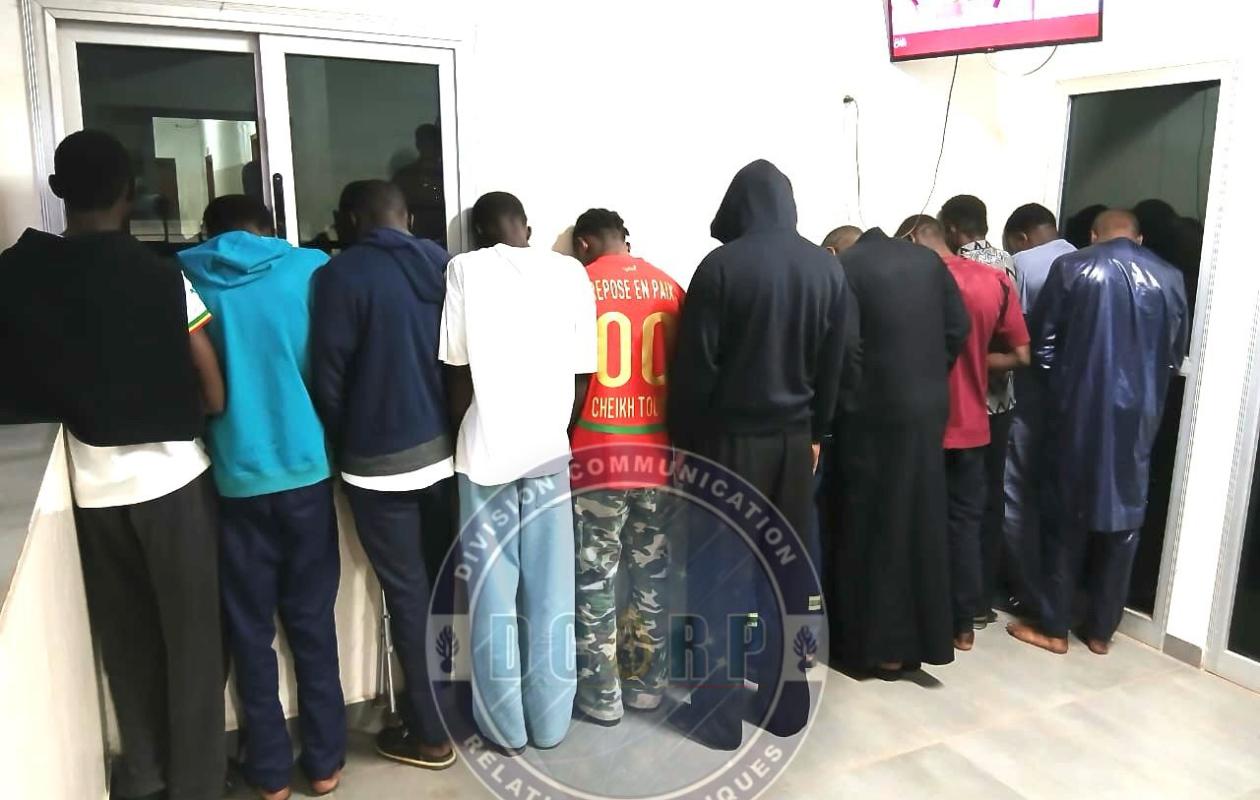
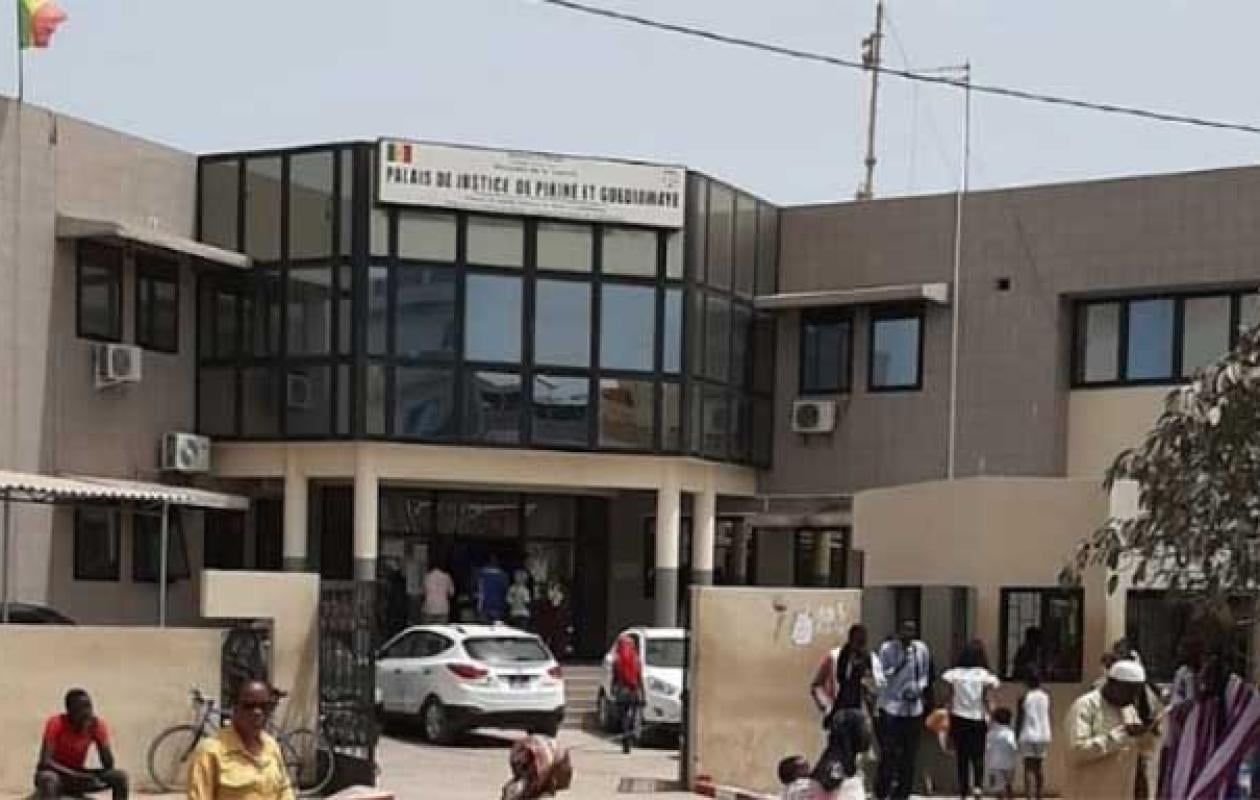
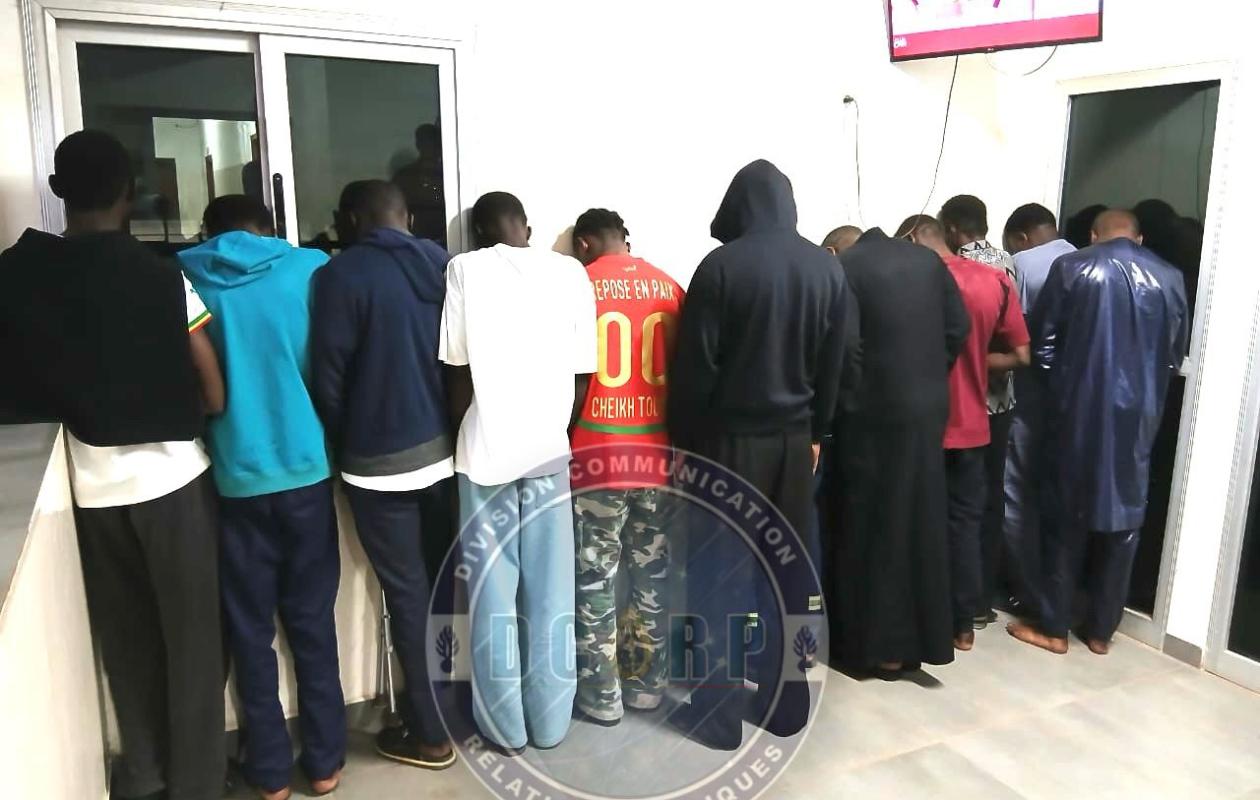
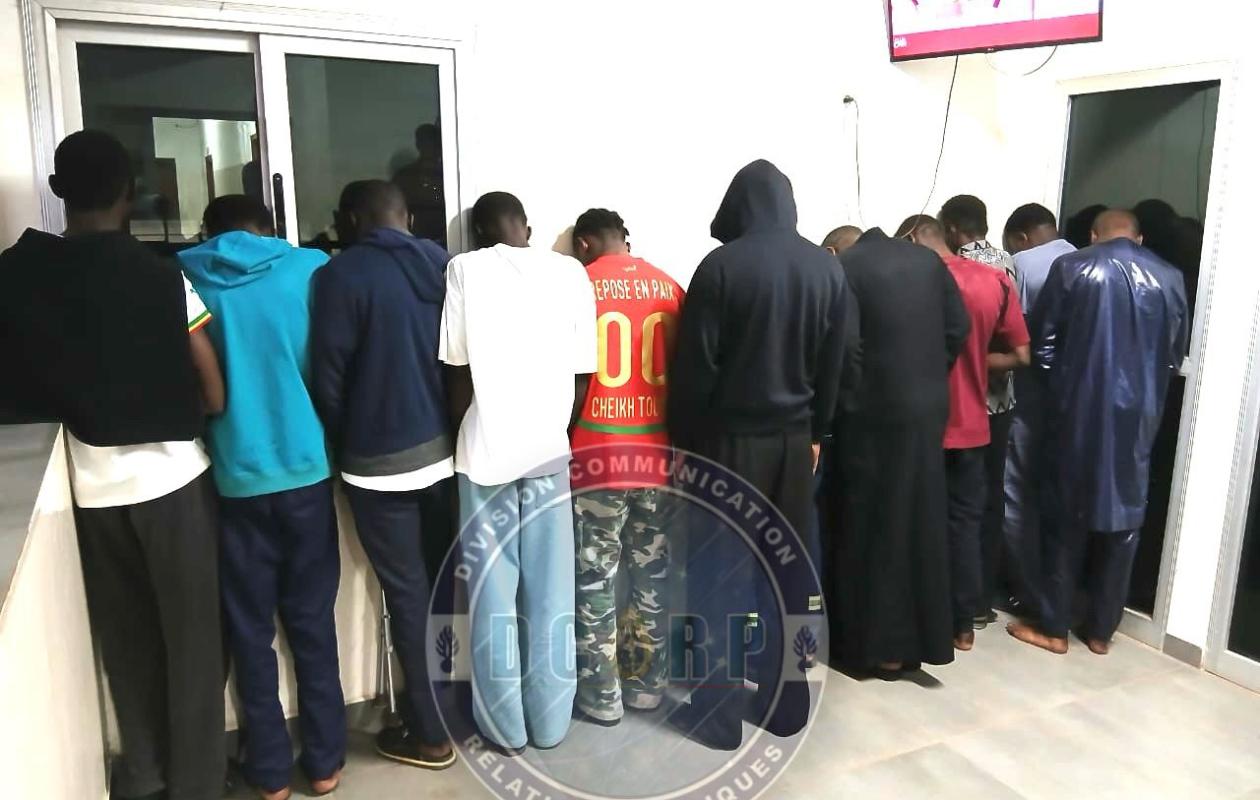
The case involving radio host Pape Cheikh Diallo and several others, prosecuted notably for intentionally transmitting HIV and endangering the lives of others, brings a sensitive issue back to the forefront of the debate: the fight against HIV in Senegal, at the crossroads of public health, human rights, and criminal justice.
The media are reporting that a dozen people are suspected of having unprotected sex while carrying the virus. The ongoing judicial investigation has reignited questions about the spread of HIV, particularly among so-called "key" populations, considered by specialists to be important gateways in the dynamics of virus transmission.
Key populations at the heart of the epidemic
In Senegal, the prevalence of HIV remains relatively low in the general population, estimated at 0.3%. However, behind this national average lie significant epidemiological disparities, particularly within key populations.
According to data relayed by the National Alliance of Communities for Health (ANCS), men who have sex with men (MSM) have a particularly high prevalence, estimated at 27%. Among female sex workers, it is around 5.3%, while it is estimated at 3.7% among injection drug users.
In Senegal, some areas have rates higher than the national average, notably Kolda and Ziguinchor at 1.5%, followed by Kaffrine (0.9%), Tambacounda (0.8%), and Kédougou (0.6%). For community stakeholders, these discrepancies highlight the urgent need to adapt strategies for accessing prevention, screening, and treatment services.
Key populations, epidemiological gateways
According to the ANCS, the fight against HIV today faces two major challenges: human rights and gender.
“Key populations have very high HIV prevalence rates. Among men who have sex with men, the prevalence is around 27%. It is also high among sex workers and people who inject drugs,” she explains.
The concern is all the greater because these populations often act as gateways for the transmission of the virus to the general population. Added to this is the fact that the organization emphasizes that "98% of MSM also have heterosexual relationships, often within the context of marital or family relationships."
Indeed, "the data also show that 69% of new infections in men aged 15 to 49 concern young MSM. Dakar alone concentrates almost 49% of the cases recorded in this group, with prevalences reaching 34% in some regions such as Dakar, Saint-Louis or Diourbel."
Experts believe that persistent stigma and discrimination are a major obstacle to combating the disease. They hinder access to testing, care, and prevention programs, thereby increasing the risk of silent spread of the virus.
A case that reveals the issues at stake in public health
Beyond individual responsibilities, the Pape Cheikh Diallo and Co. case raises major public health issues. HIV prevention traditionally relies on awareness campaigns, the promotion of voluntary testing, access to antiretroviral treatments, and the systematic use of protective measures.
Experts believe that social and media stigmatization linking HIV and sexual orientation could backfire, deterring some people from seeking healthcare. Fear of judgment or prosecution, in particular, can discourage individuals from getting tested or disclosing their HIV status.
Intentional transmission of HIV: a crime severely punished by law
From a legal standpoint, Senegal has a specific legislative framework to repress the intentional transmission of HIV.
Law No. 2005-18 of August 5, 2005, defines voluntary transmission as the act, by a person aware of their HIV-positive status, of transmitting the virus to another person through unprotected sexual intercourse. This law provides for penalties ranging from two to five years' imprisonment, along with fines of up to one million CFA francs.
The HIV/AIDS law adopted in 2010 strengthens this legal framework. Article 36 provides for heavier penalties, ranging from five to ten years imprisonment and fines of between two and five million CFA francs, for any person who, knowing their serological status and the modes of transmission of the virus, engages in unprotected sexual intercourse with the intention of infecting another.
According to legal experts, establishing the offense rests on several essential elements. In particular, the court must establish that the person knew their serological status and that they acted with full awareness of the risk of transmission.
Between criminal justice and the imperative of prevention
While criminalization aims to protect potential victims, several public health organizations warn of its potentially counterproductive effects. They believe that the fight against HIV must first and foremost be based on prevention, health education, and respect for human rights.
The challenge for the Senegalese authorities is therefore to maintain a balance between the repression of behaviors that intentionally endanger the lives of others and the implementation of inclusive health policies that promote screening, treatment and risk reduction.
In a context where key populations play a central role in the dynamics of the epidemic, specialists insist on the urgency of adapted strategies, combining medical, social and legal approaches, in order to sustainably curb the spread of HIV in Senegal.



















Commentaires (1)
Participer à la Discussion
Règles de la communauté :
💡 Astuce : Utilisez des emojis depuis votre téléphone ou le module emoji ci-dessous. Cliquez sur GIF pour ajouter un GIF animé. Collez un lien X/Twitter ou TikTok pour l'afficher automatiquement.